The Most Accessible National Parks in the U.S.: Where To Go and What To Expect

Discover the most wheelchair-accessible national parks in the U.S.! From Yellowstone to Acadia, here’s where to find accessible trails, viewpoints, and experiences that make exploring the great outdoors possible for everyone.
This post contains affiliate links, which means I may receive a commission, at no extra cost to you, if you make a purchase through a link. This helps me keep the Sick Girl Travels blog running while providing you with high-quality product recommendations and great travel deals. Please see my full disclosure for further information. Thanks for your support!
🌎 Introduction: The Great Outdoors Belongs to All of Us
If you live with chronic illness, fatigue, or mobility limitations, “getting back to nature” can sometimes feel like a faraway dream. You see jaw-dropping photos of Yellowstone’s geysers or the Grand Canyon’s endless horizon and wonder, could I ever really do that?
I’ve been there. As someone who travels with chronic illness and mobility challenges, I know that planning an accessible adventure requires research, flexibility, and sometimes a lot of patience. But I also know this: accessible adventure is absolutely possible, and it’s worth every ounce of effort.
Over the last decade, the National Park Service (NPS) has worked hard to make America’s most treasured landscapes more inclusive. With accessible trails, adaptive gear rentals, detailed accessibility guides, and thoughtful design updates, it’s easier than ever for disabled travelers, wheelchair users, and spoonies to experience the outdoors.
Below, I’ve gathered the most accessible national parks in the U.S., complete with tips, highlights, and real talk on what to expect when you visit.

🏞️ 1. Yellowstone National Park (Wyoming, Montana & Idaho)
Yellowstone isn’t just the first U.S. national park, it’s also one of the most pioneering in accessibility. With over 2 million acres of geothermal wonderland, it’s a landscape filled with geysers, hot springs, waterfalls, and wildlife.
It’s also super close to Grand Teton National Park if you’re into scenic drives and want to double your national parks experience.
What makes it accessible:
Most major attractions — including Old Faithful, Grand Prismatic Spring, and the Mammoth Hot Springs Terraces — have flat, paved boardwalks that allow easy access for wheelchairs and mobility aids. Many of the park’s restrooms, visitor centers, and lodges are ADA-compliant.

Can’t-miss accessible highlights:
- Old Faithful Geyser: Watch from accessible viewing platforms with paved paths and benches nearby.
- Fountain Paint Pot Trail: A short, smooth boardwalk loop with vibrant bubbling pools.
- Grand Canyon of the Yellowstone: The Artist Point overlook is wheelchair accessible, offering one of the most iconic views in the park.
- Hayden Valley Scenic Drive: Spot bison and elk right from your vehicle on this breathtaking route.
Jenn’s Tip: Bring layers, the weather here changes fast! Make sure you check conditions before venturing out. Also, check out my guide to Yellowstone.

🏜️ 2. Grand Canyon National Park (Arizona)
Few places make you feel quite as small — or as awestruck — as the Grand Canyon. Fortunately, it’s also one of the most accessible national parks in the country.
Why it’s great for wheelchair users:
The South Rim is your best bet. Paved paths along the Rim Trail allow for incredible, uninterrupted canyon views without navigating rough terrain.
Accessible features and highlights:
- Rim Trail: The section between Mather Point and Yavapai Point is mostly level and paved, perfect for rolling along the canyon’s edge.
- Accessible shuttles: All park shuttles have lifts or ramps, and drivers are trained to assist wheelchair users.
- Visitor Centers: The Yavapai Geology Museum and Grand Canyon Visitor Center both have ramp access, wide doors, and accessible restrooms.
- Accessible Lodging: The historic El Tovar Hotel and Yavapai Lodge offer ADA-compliant rooms with roll-in showers.

What to Expect:
Altitude and desert dryness can cause fatigue and dehydration faster than you think. Bring electrolyte packets, a cooling towel, and rest frequently. For breathtaking views with minimal effort, drive or roll to Desert View Drive at sunrise.

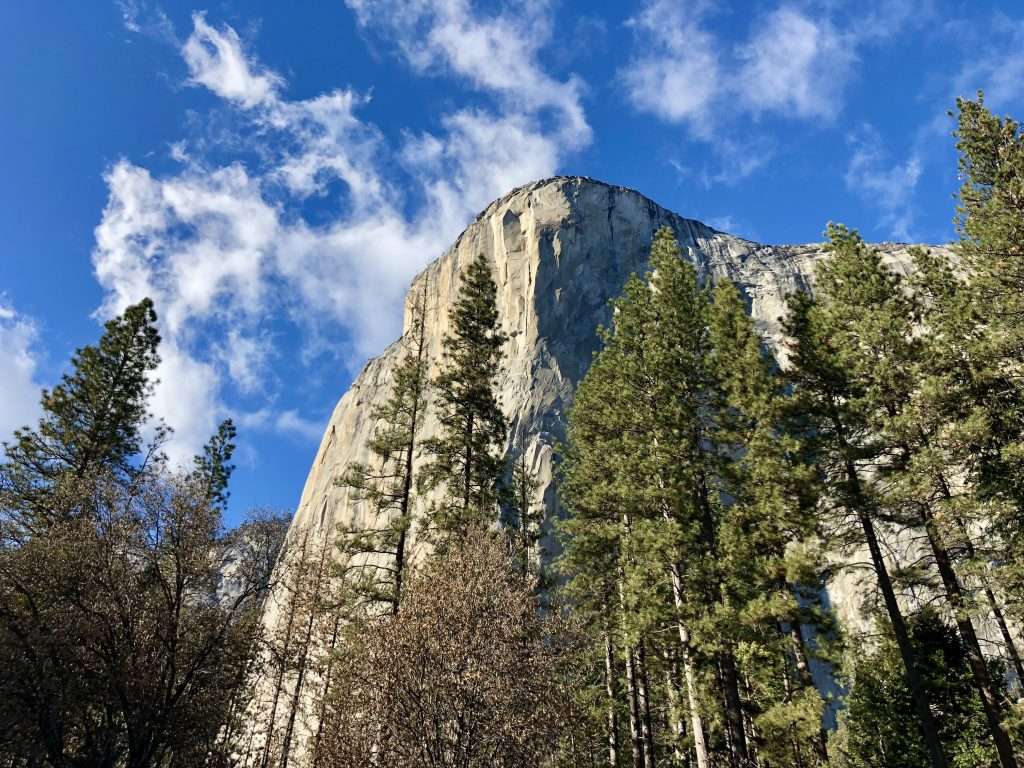
🌲 3. Yosemite National Park (California)
Yosemite is an accessibility rockstar. With paved trails, accessible shuttles, and incredible natural beauty packed into its valley floor, it’s a must for travelers of all abilities.
What makes it accessible:
The park’s main valley loop offers smooth, wide paths with accessible restrooms, picnic areas, and plenty of places to recharge (literally, there are electric scooter charging stations at visitor centers).
Top accessible experiences:
- Yosemite Falls Trail: A paved, half-mile trail leads to the base of one of the tallest waterfalls in North America.
- Cooks Meadow Loop: Perfect for wheelchair users and low-energy travelers. You’ll get classic views of Half Dome without the hike.
- Mirror Lake Trail: The first mile is paved, peaceful, and perfect for photo ops.
- Shuttle Service: Yosemite’s shuttles are fully accessible and free.
Jenn’s Tip: Visit in late spring for roaring waterfalls and mild weather. And definitely check out the park’s “Accessibility Guidebook” PDF before your trip; it’s one of the best resources of any national park. Also, check out my guide to Yosemite National Park.

🏖️ 4. Gulf Islands National Seashore (Florida & Mississippi)
This one might surprise you, but it’s one of the most accessible beach experiences in the National Park System. Think white sand, emerald water, and soothing breezes. All without the barriers.
Accessibility highlights:
- Beach wheelchairs (including floating models!) are available free at lifeguard stations.
- Accessible boardwalks lead directly onto the sand in multiple spots.
- Fort Pickens has paved trails and an elevator for its observation tower.
- All picnic areas and restrooms are ADA-compliant.
What to Expect:
This is the perfect park for relaxation. You can enjoy ocean views, dolphin watching, and the feeling of sand between your toes without worrying about steep dunes or stairs. Summer can be hot and humid, so early morning and evening visits are best.
Jenn’s Tip: If you deal with POTS or heat intolerance, visit between October and April, when temperatures are mild and beaches are quieter.

🏔️ 5. Rocky Mountain National Park (Colorado)
The Rockies are awe-inspiring, and surprisingly, they’re also pretty accessible! This park is known for its alpine lakes, mountain vistas, and crisp air.
Accessibility highlights:
- Sprague Lake Trail: A fully accessible loop with benches, rest stops, and photo-worthy mountain reflections.
- Bear Lake Trail: Mostly paved, short, and breathtakingly scenic.
- Trail Ridge Road: One of the highest paved roads in the U.S. You can enjoy incredible views right from your car.
- Visitor Centers: Both Beaver Meadows and Fall River have accessible entrances, exhibits, and restrooms.
What to Expect:
The altitude here is no joke; even short strolls can feel challenging. Hydrate constantly and plan time to rest. Late June through September offers the best weather and the widest access to park roads.
Jenn’s Tip: Download the Rocky Mountain NPS app to find which trails and restrooms are accessible in real time.

🌅 6. Acadia National Park (Maine)
Acadia is New England’s crown jewel and one of the most disability-friendly destinations on the U.S. East Coast.
Accessibility highlights:
- Ocean Path Trail: Several sections are accessible, offering views of rugged cliffs and crashing waves.
- Sand Beach: Features a mobility mat that extends onto the sand during the summer months.
- Jordan Pond Path: A smooth, scenic loop with mountain reflections that’s partially wheelchair accessible.
- Carriage Roads: Some are packed gravel and wheelchair-friendly.

What to Expect:
Visit in September or early October for fall foliage and fewer crowds. Many of Bar Harbor’s restaurants and shops are also accessible and delicious lobster rolls are always a bonus.
Jenn’s Tip: Acadia offers accessible camping sites and ranger programs. If you’re sensitive to cold or fatigue, plan for short daily outings and plenty of cozy downtime by the sea.

🌋 7. Hawaii Volcanoes National Park (Big Island, Hawaii)
A park that proves accessibility doesn’t stop at sea level. Here, volcanic landscapes and lush rainforest coexist and much of it is reachable without leaving your vehicle.
Accessibility highlights:
- Crater Rim Drive: A 10-mile scenic loop with accessible lookouts.
- Steam Vents Trail: Short, paved, and otherworldly.
- Kilauea Visitor Center: Offers tactile exhibits and an accessibility desk.
- Chain of Craters Road: Breathtaking ocean views with accessible pullouts.
Jenn’s Tip: Check for volcanic activity before your visit; accessibility can vary depending on conditions. The park’s staff are fantastic about real-time updates.

♿ Don’t Forget: The America the Beautiful Access Pass
If you have a permanent disability, apply for the America the Beautiful Access Pass, a lifetime pass that grants free entry to all U.S. national parks and federal lands. You can order it online for $10 (processing fee) or pick it up at most park entrances.
Bring documentation of disability status and a valid photo ID. You’ll not only save money, you’ll also be supporting accessibility efforts nationwide.
🧭 Jenn’s Accessible Adventure Tips
✅ Book early: Accessible hotel rooms and cabins go fast, especially near major parks.
✅ Ask about shuttle services: Many parks have free or low-cost accessible transport.
✅ Bring adaptive gear: Portable ramps, travel canes, and seat cushions make long days easier.
✅ Stay flexible: Nature doesn’t always stick to your itinerary and that’s okay.
✅ Use official park apps: Most parks now offer live accessibility updates.

💬 Final Thoughts
Traveling through national parks as a spoonie or wheelchair user isn’t about conquering mountains; it’s about connection. Connection with the earth, with your body, and with the reminder that you still belong in beautiful places.
Nature is healing. It moves at your pace, meets you where you are, and invites you to breathe a little deeper. Whether you’re rolling along Yellowstone’s boardwalks or watching the sun dip behind Half Dome in Yosemite, know this: you deserve this adventure.
Because the great outdoors isn’t just for the able-bodied — it’s for all of us. 💚
❓ Frequently Asked Questions (FAQ)
1. Which national park is the most wheelchair-accessible overall?
Yosemite National Park is widely considered the most wheelchair-friendly park in the U.S., with paved paths, accessible shuttles, ADA restrooms, and detailed accessibility maps. Yellowstone and Grand Canyon (South Rim) come close behind.
2. Are U.S. national park shuttles wheelchair accessible?
Yes! Most park-operated shuttle systems — including those in Grand Canyon, Yosemite, and Zion — are fully accessible with ramps or lifts. Drivers are trained to assist passengers using wheelchairs or mobility aids.
3. Can I camp in national parks with a disability?
Absolutely. Many parks, like Acadia, Yosemite, and the Rocky Mountains, have ADA-accessible campsites with paved surfaces, nearby restrooms, and flat terrain. When reserving online, filter for “accessible sites.”
4. Are there accessible trails in national parks?
Yes. Parks like Rocky Mountain (Sprague Lake), Yosemite (Lower Yosemite Falls), and Yellowstone (Old Faithful) have smooth, paved trails suitable for wheelchairs and mobility scooters. The NPS website lists accessibility details for each park.
5. Are service animals allowed in national parks?
Yes, under the Americans with Disabilities Act (ADA), service animals are allowed in all areas open to the public. Emotional support animals, however, are not covered under ADA rules.
6. Can I access national parks for free if I’m disabled?
Yes. With the America the Beautiful Access Pass, travelers with permanent disabilities get lifetime free admission to all U.S. national parks and federal lands. It’s one of the best travel deals in existence!
7. Which national parks offer the most accessible viewpoints?
Some of the best include:
- Grand Canyon South Rim (Mather Point, Yavapai Point)
- Yellowstone (Artist Point)
- Acadia (Cadillac Mountain Summit)
- Rocky Mountain (Bear Lake Overlook)
All have paved, gently graded paths to jaw-dropping vistas.
8. What’s the best time of year to visit national parks with mobility challenges?
Spring and fall are ideal and offer cooler temps, lighter crowds, and more comfortable weather. Avoid summer at desert parks (like the Grand Canyon) unless you can plan early morning outings.
9. Are ranger programs accessible?
Yes! Many ranger-led talks, walks, and evening programs include ASL interpreters, assistive listening devices, and accessible routes. Check the park’s event schedule for details.
10. Do national parks rent mobility aids?
Some do! Yosemite, Grand Canyon, and Yellowstone offer wheelchair or scooter rentals at visitor centers or lodges. Always call ahead to confirm availability.

Jenn Lloyd is a disabled travel blogger and television writer based in Los Angeles. After a successful career writing for shows like KC Undercover and The Thundermans, she launched Sick Girl Travels to share her experiences navigating the world with Ehlers-Danlos Syndrome, POTS, and fibromyalgia. Having visited 40 U.S. states, 39 countries, and all 7 continents, Jenn offers inclusive travel guides with accessibility tips for those with mobility challenges. Her work has been featured on CNN, Huffington Post, and Consumer Reports. When not traveling, she enjoys fostering dogs, photographing street art, and spending time with her French bulldog, Miss Madelyn Pew.
Sign Up for Our Newsletter
Sign up with your email address to receive travel news and updates.
Leave a Comment