Visiting Arizona: Everything You Need To Know
Edited on
This post may contain affiliate links, which means I may receive a commission, at no extra cost to you, if you make a purchase through a link. This helps me keep the Sick Girl Travels blog running while providing you with high-quality product recommendations and great travel deals. Please see my full disclosure for further information. Thanks for your support!
Unique Places To Visit In Arizona
Are you planning on visiting Arizona and have no clue yet what the state is all about? Then you are in the right spot!
Knowing the best landmarks, the most stunning national parks, and a little bit about the culture and the climate before heading to a new destination is always a good idea.
I have created this ultimate Arizona state travel guide as a great starting point for you to plan your trip. We’ll discuss everything you need to learn about Arizona before you go!
Let’s get to it!

Arizona Quick Facts
Statehood: Arizona became the 48th state on February 14, 1912
Nickname: The Grand Canyon State
Capital: Phoenix
Language: English, with a significant Spanish-speaking population
Cuisine: Sonoran-style Mexican food, like chimichangas and carne asada
Geography: Deserts, pine forests, and canyons
National Parks & Monuments: 22, including Grand Canyon National Park
Climate: Mostly arid desert climate, with cooler temperatures in the northern highlands
Inhabitants: Approximately 7.2 million
Governor: Katie Hobbs (Democrat).
Official Arizona Office of Tourism Link: Arizona Office of Tourism
Geographical Info
Arizona is located in the Southwestern region of the United States.
It’s bordered by Utah to the north, New Mexico to the east, and California to the west. Arizona also shares an international border with Mexico to the south. Arizona also shares borders with Nevada to the northwest.
Lastly, Arizona also shares a border with Colorado at the Four Corners. This is where Arizona, Colorado, New Mexico, and Utah all meet.
Cities and Counties
Arizona has a few major cities. The most famous ones are Phoenix, Tucson, Mesa, and Scottsdale.
The state is divided into 15 counties. Some of the most well-known ones are Maricopa, Pima, Yavapai, and Coconino counties.
Maricopa County is home to Phoenix, the state’s largest city and capital
Pima County includes Tucson. It is known for its beautiful desert landscape
Yavapai County is home to the stunning red rocks of Sedona.
Coconino County is where you’ll find the Grand Canyon, one of the Seven Natural Wonders of the World, and one of the biggest centers of tourism.

National Parks and Monuments
Arizona is home to a total of 22 national parks and monuments.
These parks are so special because they showcase the state’s stunningly diverse landscapes. They range from deep canyons and colorful deserts to ancient petrified forests and huge cacti.
The parks are also rich in history since there are many ancient Native American sites. You can visit cliff dwellings and petroglyphs.
Lastly, some of the iconic landmarks, like the Grand Canyon and Monument Valley, bring in visitors from around the world because they are so impressive.
Let’s discuss the most famous National Parks in a bit more detail:
Grand Canyon National Park
Size: Approximately 1,218,375 acres
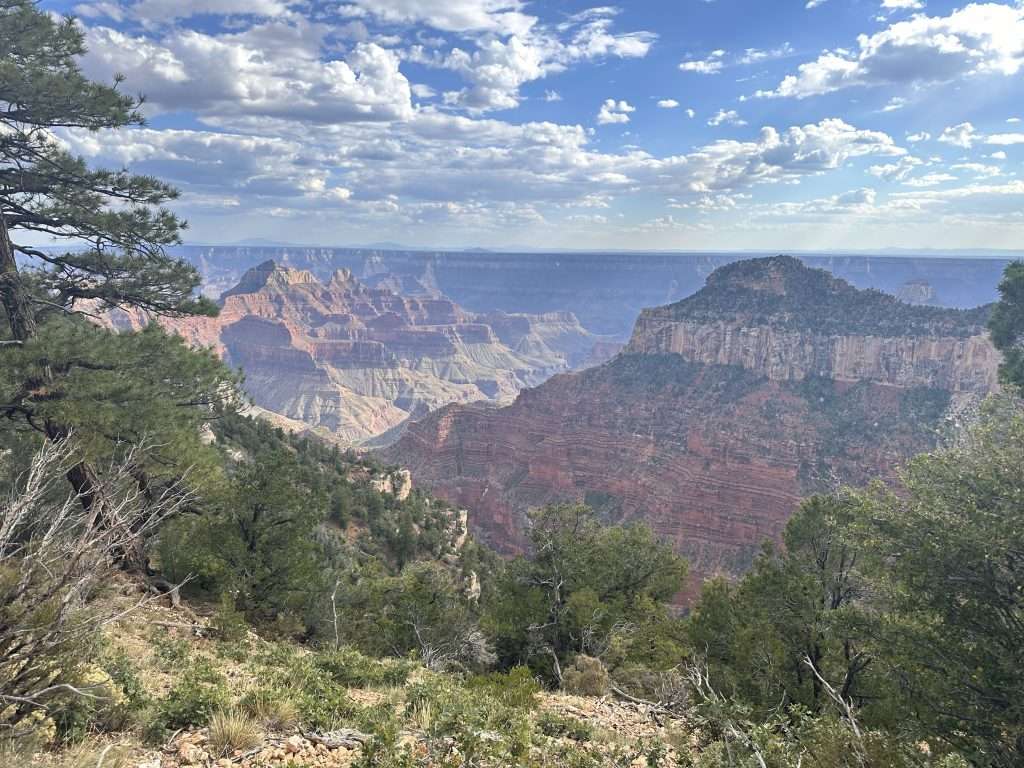
Highlights: The Grand Canyon is known for its immense size, stunning views, and geological formations. The park offers hiking, rafting, and incredible viewpoints like the South Rim and the North Rim.
Personally, I prefer the quieter North Rim over the busier South Rim. It is a lot more relaxed, and the forest-y atmosphere makes it a bit of a cooler getaway, even in summer.
Saguaro National Park
Size: Approximately 91,716 acres
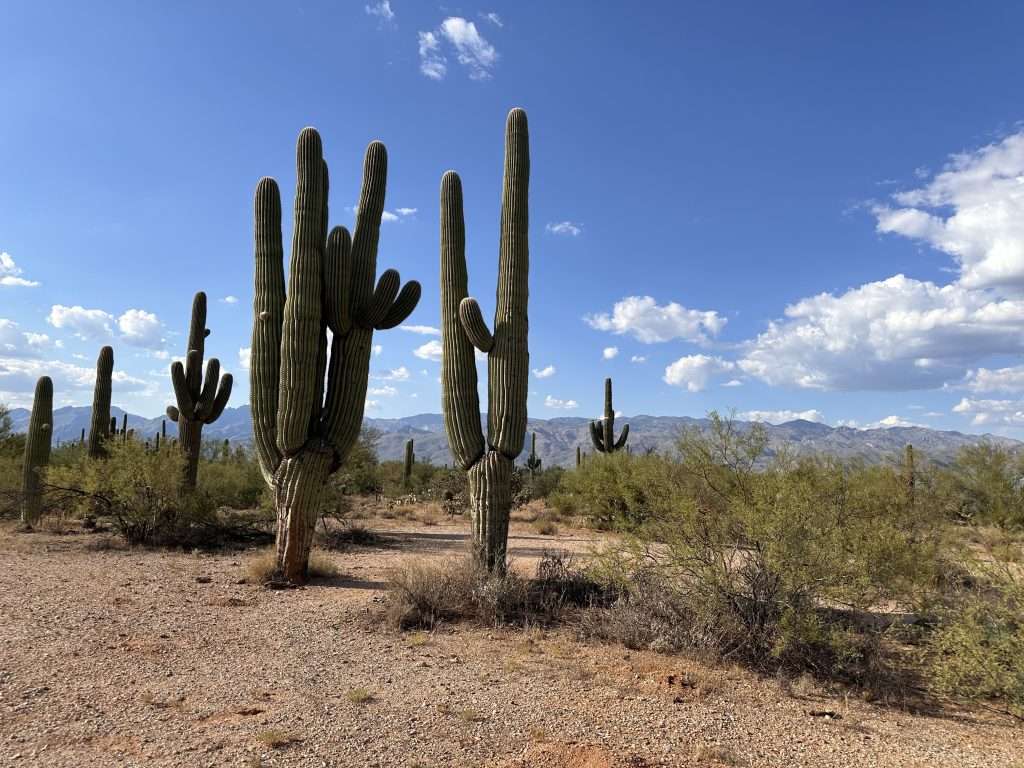
Highlights: Located in Tucson, this park is split into two districts (East and West). It is famous for its dense forests of iconic Saguaro cacti.
Both parts of the park offer different experiences, ranging from hikes to a Visitor’s center with a museum. I definitely like visiting Saguaro National Park in the colder season, as it can get super hot in Tucson in summer.
Petrified Forest National Park
Size: Approximately 221,390 acres
Highlights: Famous for its colorful petrified wood and ancient fossils. This park is also home to the Painted Desert, which showcases colorful badlands.
In my opinion, this is one of the most underrated National Parks in the area. We were surprised by the impressive canyons and the colorful scenery; it is definitely worth visiting.

Must-Visit Places In Arizona
Arizona not only attracts visitors with its stunning National Parks.
But there is also a lot more going on in the state that brings in people from all over the world.
Here are a few spots you must visit when going to Arizona, in addition to the fabulous National Parks.
Sedona
Sedona is famous for its stunning red rock formations.
It is an awesome spot for outdoor activities. Especially hiking is pretty big, with trails offering incredible views.
The town is also known for its spiritual vibe. They say that some of the sites have healing energy, and I really could feel it.
The scenic drives around Sedona, especially along Oak Creek Canyon, are breathtaking. Make sure to plan on staying in Sedona for a couple of days at least, since there are so many different hiking trails available.
Monument Valley
Monument Valley is an iconic symbol of the American West.
It’s located on the Navajo Nation Reservation, and it has a deep connection to Native American culture.
You can explore the area with guided tours, ideally one led by Navajo guides who share stories and history.
The valley’s dramatic scenery is especially stunning at sunrise and sunset.
It is a bit far out to just quickly drive there for a couple of pictures (especially during golden hour), so I suggest staying at least for a night. There are a few hotels with quite an impressive view that are totally worth checking out.
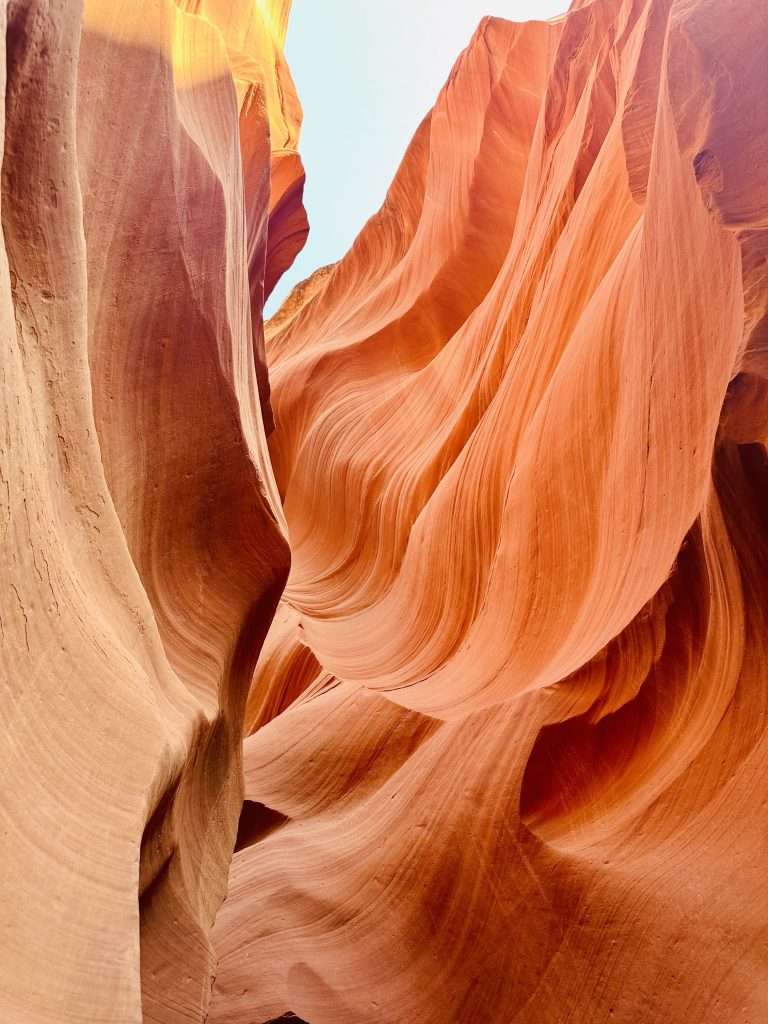
Antelope Canyon
Antelope Canyon is a stunning slot canyon and is my favorite spot in Arizona.
It is famous for its wavy orange sandstone walls. They look especially mesmerizing as light beams shine through the narrow openings above.
You can find Antelope Canyon near Page. The canyon is divided into two sections, Upper and Lower Antelope Canyon.
While the Upper Antelope Canyon is definitely more famous (because of the light beams), I prefer the much quieter Lower Antelope Canyon for a tour. It is also easier and cheaper to visit.
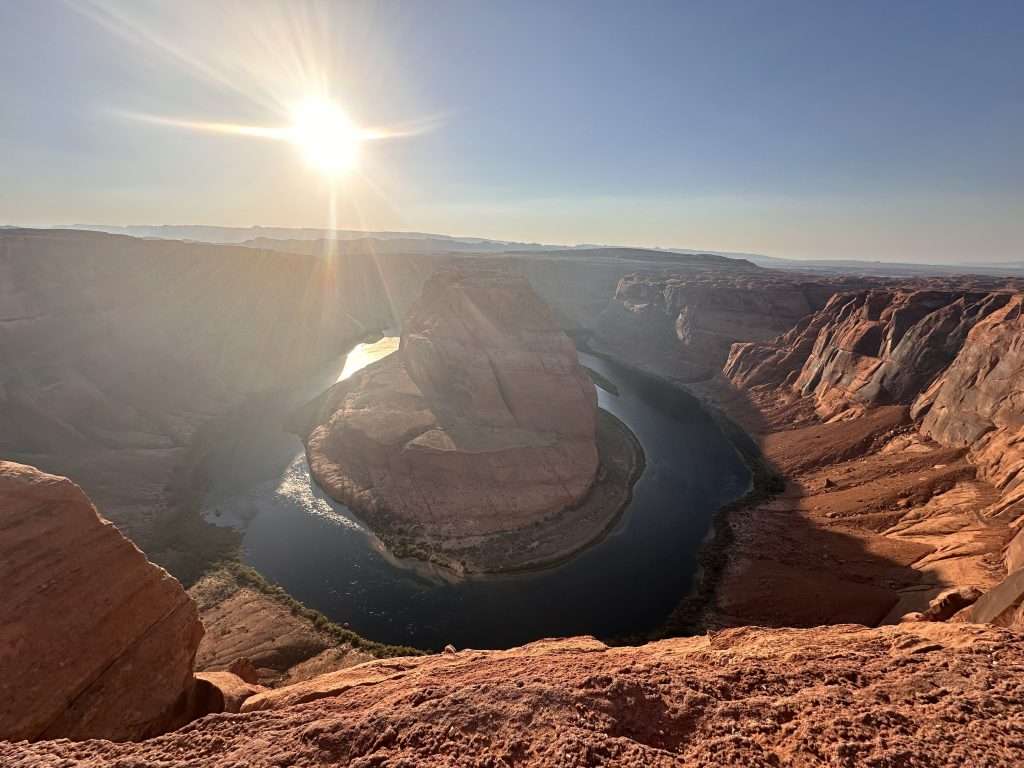
Horseshoe Bend
Horseshoe Bend is a breathtaking curve in the Colorado River.
It is one of the most photographed views in Arizona.
Just like Antelope Canyon, you can find Horseshoe Bend near Page. It’s only a short hike from the parking area to the overlook.
The viewpoint is perched on a cliff, so you can see stunning panoramas. It is especially lovely at sunrise or sunset.
This was definitely one of the most memorable spots on my Southwest Road Trip.
The Climate In Arizona
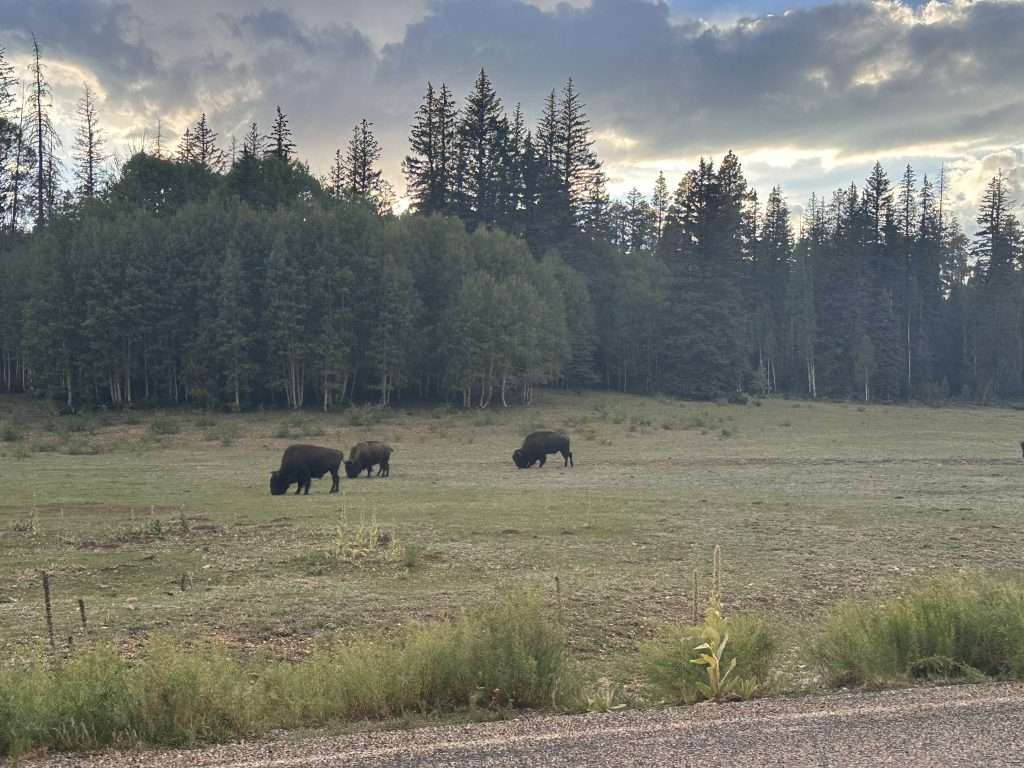
Arizona has a diverse climate because it has a lot of mountains in the North and deserts in the south of the state.
To get a bit of an overview of the climate in Arizona, we’ll need to separate the state into two different topographical regions.
Southern Arizona (Phoenix and Tucson)
Summers: Extremely hot, temperatures often exceed 100°F (38°C). Phoenix can easily hit 110°F (43°C) or more during peak summer months.
Winters: Mild and pleasant, with temperatures ranging from 60°F to 70°F (15°C to 21°C).
Rainfall: The region experiences a monsoon season from July to September. That means short but intense storms. Rainfall is low per year, usually between 8 to 12 inches.
Northern Arizona (Flagstaff, Grand Canyon)
Summers: Much cooler than the south, temperatures averaging between 70°F and 85°F (21°C to 29°C). Nights can be chilly.
Winters: Cold, with temperatures often dropping below freezing, especially at higher elevations like Flagstaff. Snow is common.
Rainfall: Northern Arizona gets more rain than the southern parts, with an average of 15 to 20 inches annually, including snow in the winter.
History and Culture In Arizona
Arizona has a rich and diverse culture. It reminds me a bit of New Mexico, blending Native American heritage, Mexican influences, and Western cowboy traditions.
Let’s have a quick look at what you can expect culture-wise when traveling to Arizona!
Native American Heritage
Arizona is home to 22 federally recognized Native American tribes. That includes the famous Navajo, Hopi, and Apache American Indian tribes.
Their culture is deeply rooted in the state’s history. You can still see that in lots of the traditions, art, and ceremonies. They have been passed down for generations, and many people still live according to these values.
You’ll find a lot of their history in ancient cliff dwellings, rock art, and festivals all over the state.
Mexican Influence
Since Arizona is so close to Mexico, there’s a strong Mexican influence in the state.
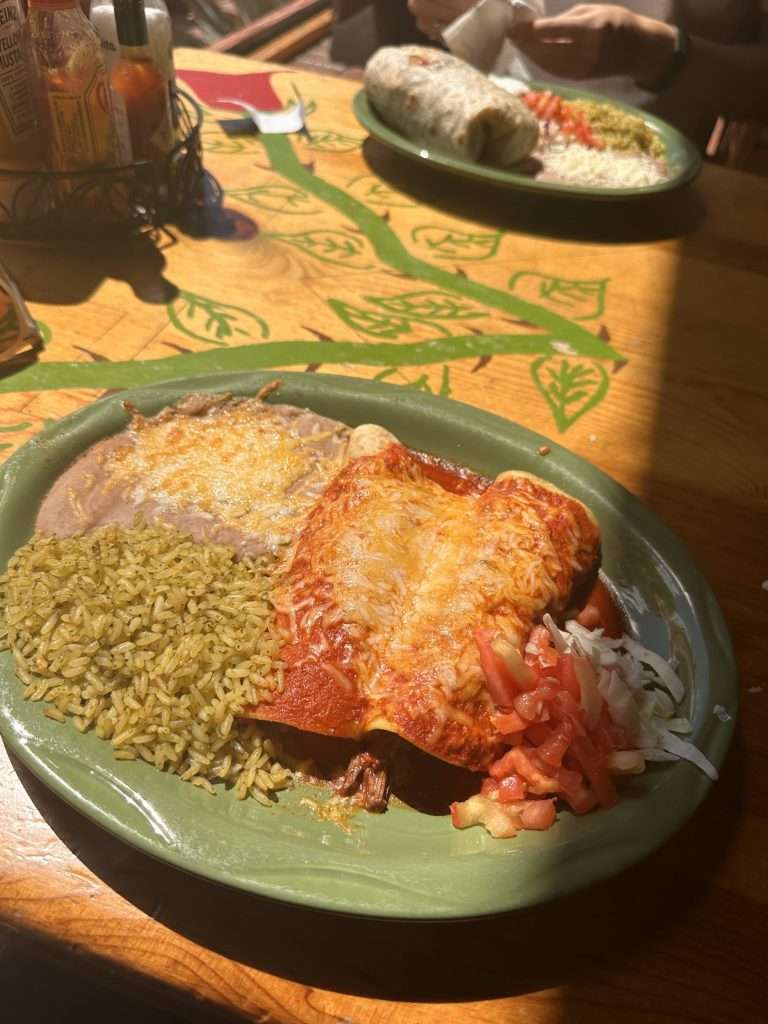
You can mostly find evidence of that in the food. From delicious tacos and enchiladas, there is a lot of Mexican food in Arizona.
Also, celebrations like the Día de los Muertos have made it to Arizona.
Western and Cowboy Traditions
Arizona is also known for its Wild West history, as you have probably seen in a lot of movies.
Cowboys, ranching, and rodeos are big parts of the state’s identity.
If you want to experience this for yourself, you should visit old mining towns like Tombstone or catch a rodeo show. There you can see modern-day cowboys in action.
Art And Architecture
Arizona’s art scene is a mix of Native American crafts, Mexican art, and Western-themed art. It is very similar to what you can see in New Mexico as well.
Colorful pottery and jewelry, as well as murals and adobe-style buildings, are what make Arizona’s art scene unique.
Arizona’s landscapes also inspire many local artists, so expect a lot of art about nature.
Outdoor Lifestyle
Lastly, spending time outdoors is a big part of the lifestyle in Arizona.
They have all these stunning deserts, mountains, and canyons, so it is no surprise that hiking and other sports are a big deal here.
The state’s natural beauty is not just a backdrop but a key part of its identity.
Safety
Arizona is an amazing place to explore, but there are quite a few things you need to keep in mind, safety-wise. Arizona has areas with higher crime rates, but most of the state is safe. Especially the well-traveled spots.
Areas in Phoenix (South Phoenix and Maryvale) are especially known for violent crime, so steer clear of these. The safest spots in Arizona are Scottsdale, Sedona, and Gilbert.
Regardless of any crime scenes, there are a few things to consider when traveling to Arizona:
Stay Hydrated – Arizona is hot, especially in the summer. Always carry water with you and take breaks in the shade
Sun Protection – The sun is strong here. Wear sunscreen, a hat, and sunglasses to protect yourself from sunburn and heatstroke.
Wildlife Awareness – Arizona is home to some incredible wildlife, but some can be dangerous, like snakes and scorpions. Be mindful of where you step and avoid touching animals. If you are stung or bitten by a scorpion or snake, head to the hospital immediately
Travel in Groups – If you’re hiking or exploring remote areas, it’s safer to go with others. If you’re solo, let someone know your plans. If you don’t have friends traveling with you, you can tell the visitor center of the National Park you are visiting.
Human Trafficking
Arizona, sadly, does have a reputation for human trafficking due to its proximity to the U.S.-Mexico border.
Travelers, especially women, should definitely be more cautious by staying in safe, well-known areas and being vigilant at major transportation hubs and gas stations.
It’s important to avoid isolated spots, trust your instincts, and report any suspicious activity.

Festivals and Celebrations in Arizona
Arizona Renaissance Festival
When: February to April (Weekends)
Where: Gold Canyon, AZ
What: Step back in time with jousting, feasting, and artisans
Tucson Gem & Mineral Show (Author’s Favorite)
When: Early February
Where: Tucson, AZ
What: One of the largest gem shows in the world and one of the top annual events in Arizona
Phoenix Film Festival
When: March/April
Where: Phoenix, AZ
What: A great mix of indie films, documentaries, and more, with panels and events
Arizona International Film Festival
When: April
Where: Tucson, AZ
What: Celebrating independent films from around the globe, this is Arizona’s longest-running film festival.
Scottsdale Culinary Festival
When: April
Where: Scottsdale, AZ
What: A foodie’s paradise with tastings, live music, and events all centered around amazing food and drinks.
Is Arizona Worth Visiting?
Personally, I love Arizona, and I think it is absolutely worth visiting.
Of all the nature in the US, Arizona definitely has the most impressive!
Most of the cities are filled with amazing restaurants, fancy resorts, and lots of interesting culture and history. The state is also pretty safe and has a super-friendly and inviting vibe overall.
Make sure to research temperatures before planning your travel, since it can be quite extreme in Arizona.
Major tourist attractions can be quite busy, so I suggest enjoying all of the amazing outdoors in Arizona, not just the famous spots.
What I also love about Arizona is that even remote villages are upkept a bit better than in its poorer neighboring state of New Mexico.
Overall, it is a beautiful, vibrant, and friendly state that should absolutely be on your bucket list. And 90% of the landscape is absolutely Instagram-worthy.
<script async src="https://tpwdg.com/content?currency=usd&trs=212283&shmarker=413273.WDJ&powered_by=true&locale=en&destination=271&lowest_price=&highest_price=&min_lines=5&color_button=%23346A6C&promo_id=5850&campaign_id=47" charset="utf-8"></script>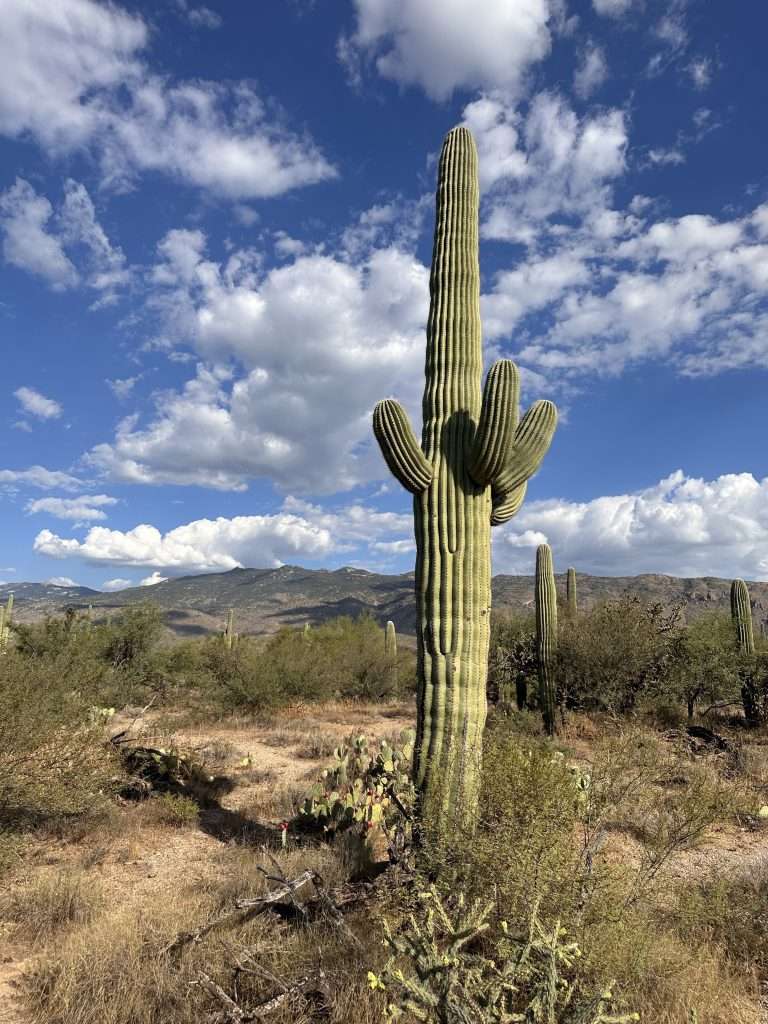
Conclusion: What You Need To Know Before Visiting Arizona
To wrap it up: Arizona is like a treasure chest full of jaw-dropping landscapes. But it is also filled with interesting Western culture, Instagrammable resorts, and friendly locals.
Enjoy the views at the Grand Canyon, hang out in Phoenix or Tucson, or hike Horseshoe Bend or the Antelope Canyon.
Just remember, that desert sun is no joke—so pack that sunscreen and stay hydrated!
And don’t forget to try the local restaurants and check out some festivals while you’re at it. The Tucson Gem Show is my favorite among them!
I hope this was a great introductory Arizona travel guide for you and helps you plan the first steps of your trip.

Jenn Lloyd is a disabled travel blogger and television writer based in Los Angeles. After a successful career writing for shows like KC Undercover and The Thundermans, she launched Sick Girl Travels to share her experiences navigating the world with Ehlers-Danlos Syndrome, POTS, and fibromyalgia. Having visited 40 U.S. states, 39 countries, and all 7 continents, Jenn offers inclusive travel guides with accessibility tips for those with mobility challenges. Her work has been featured on CNN, Huffington Post, and Consumer Reports. When not traveling, she enjoys fostering dogs, photographing street art, and spending time with her French bulldog, Miss Madelyn Pew.
Sign Up for Our Newsletter
Sign up with your email address to receive travel news and updates.