Best Things To Do In Valencia Spain As A Solo Traveler
Edited on

This post may contain affiliate links, which means I may receive a commission, at no extra cost to you, if you make a purchase through a link. This helps me keep the Sick Girl Travels blog running while providing you with high-quality product recommendations and great travel deals. Please see my full disclosure for further information. Thanks for your support!
BEST THINGS TO DO IN VALENCIA SPAIN
Considering a solo trip to Valencia, Spain? Then you’re in the right place. Traveling solo to Valencia offers so much fun, from exploring the futuristic City of Arts and Sciences to getting lost in the historic streets of the old town.
There are plenty of fun group tours to join if you want to meet other travelers, like cycling tours and foodie tours. The latter comes highly recommended, as the specialty foods and local foods in Valencia are some of the best in Spain.
If you prefer to spend time by yourself, don’t worry. Valencia is a safe city to go around alone, and it’s fairly walkable and offers good accessibility. Still, it’s best to adhere to a few safety tips for traveling in Spain as a solo female traveler.
How much time will you need in Valencia? There’s enough to do to plan a one-week itinerary in Valencia. But you can surely make a shorter trip by selecting some of the highlights below.
Read on for a complete guide to visiting Valencia as a solo traveler.


Orange Trees In Valencia, Spain
Valencia Solo Travel Safety
First of all, let’s have a look at how safe Valencia is for solo travelers. Even though we are talking about the third largest city in Spain, it is fairly safe and crime against tourists is low.
However, as in any large city, be aware of pickpockets, especially in busy, touristy areas. You should also avoid empty, dark alleys at night – as you should anywhere.
Generally speaking, it is way safer than Barcelona and even Madrid, and in my experience, it feels safe to walk around alone even in the evening, and the locals are friendly. I would easily say that Valencia is one of the best places to visit in Spain for first-timers.
Getting Around Valencia
Valencia city center is walkable and can easily be explored without the use of public transport or taxi services. But the City of Arts and Sciences is located about a 30-minute walk from the old town so you might want to take the bus or tram, especially if you only have a day in Valencia, though it is a beautiful walk through the Turia Park. The beach is a bit further away, but it is well-connected by bus, tram, and metro.
Alternatively, if you are physically able, you can join a bike tour to the City of Arts and Sciences or the beach to get there faster and with the safety of a guide.
Accessibility: With a few exceptions, most metro stations in Valencia are also wheelchair accessible, and the tiny gap between the train and the platform makes it easy for wheelchair users to embark and disembark.
The buses have two wheelchair spaces, and most have automatic ramps that extend from the floor of the bus. If it’s not working, there is a manual backup.

Valencia Old Town
Where To Stay In Valencia
Depending on what you want from your stay in Valencia and how many days you have to explore, there are quite a few cool neighborhoods to stay. The Old Town is of course a fantastic location with hostels and the top attractions at your doorstep. But you might prefer the Ruzafa neighborhood, which borders the old town and can even be seen as an extension of the old town, with plenty of hip cafés and trendy bars. There is also a lot of cool street art in this area.
If you are planning a beach vacation to Valencia, I recommend staying in Cabanyal, a relaxing and colorful area by the beach with plenty of restaurants and bars. There is excellent public transportation to the City of Arts and Sciences and the old town, and if you decide to stay out late, it is affordable with an Uber too.
Here are some great picks for those looking for accessible hotel rooms:
BUDGET

Hostal Antigua Morellana
HOSTAL ANTIGUA MORELLANA – Conveniently situated in the Ciutat Vella (City Center) part of València, this property puts you close to attractions and interesting dining options.
Mid-Range

Hotel Primus Valencia
HOTEL PRIMUS VALÈNCIA – Conveniently situated in the Camins al Grau part of València, this property puts you close to attractions and interesting dining options.
Luxury

Hotel Las Arena Balneario Resort
HOTEL LAS ARENAS BALNEARIO RESORT – … Located in the Poblats Marítims part of València, this 5-star resort offers a stunning pool and puts you close to major attractions.

The Westin Valencia
THE WESTIN VALENCIA – Conveniently situated in the El Pla del Real part of València, this 5-star property puts you close to attractions and interesting dining options.

Caro Hotel
CARO HOTEL – A 5-star property strategically situated in Ciutat Vella (City Center), allowing you access and proximity to local attractions and sites.

Best Time To Visit Valencia
Valencia is a great destination to visit all year round, with mild, sunny winters and hot summers. If you are planning a beach vacation, I recommend either going in summer or early fall.
September and even October are great beach months without the crowds, and the temperatures are usually a bit milder than in the hottest summer months, though you can easily get 30ºC (86 degrees Fahrenheit) throughout September. There are also several foodie and music festivals extending the summer vibes far into the fall.
Over the winter months, you can experience varied daytime temperatures, cool nights, and more rain than the rest of the year, but plenty of holiday cheer. From Christmas and the famous Reyes parades on the 5th and 6th of January to Carnival in February, there are plenty of festivities to experience.
Spring is welcomed with the famous Fallas Festival in March, Semana Santa parades during Easter Week, and warmer temperatures. It is still a bit too cold to go swimming, but I see tourists swimming even in winter, so you might think differently than me.
In the summer, you can join the locals in celebrating the Feria de Valencia and several music festivals. This is also a fabulous time to head inland to explore waterfalls and refreshing swimming holes.

Best Things To Do In València Spain For Solo Travelers
The first thing to do when arriving in Valencia alone is to join a guided walking tour of the historic center. This way you can get an introduction to the city, and it is easier to navigate by yourself afterward. Besides, you might even meet other travelers to hang out with for the rest of your trip, so you don’t need to navigate the city alone. Either way, it is a good start on any city break.
Most walking tours go past the main attractions like Valencia Cathedral and the Silk Exchange, so you can easily find back to visit them inside.
Accessibility: There are wheelchair-accessible walking tours of Valencia as well as a wheelchair-accessible tuk-tuk tour, for those who wish to avoid walking altogether.

2. Step Inside Valencia Cathedral
Valencia Cathedral is one of the must-see attractions in the city. It is stunningly beautiful both on the outside and inside, with a fabulous fusion of baroque, gothic, and Renaissance architecture. It is said that Valencia Cathedral is home to the actual Holy Grail that Jesus used in the Last Supper. To learn all about it, make sure you listen to the audio guide you get at the entrance.
For the best views, you can climb the 207 steps to the bell tower where you will see the city’s rooftops and the Plaza de la Virgen square below.
Accessibility: Wheelchair-accessible tours of Valencia Cathedral are available.

3. Visit The City Of Arts And Sciences
The City of Arts and Sciences is one of the most popular tourist attractions in Válencia and even if you don’t want to visit the museums, it is worth going for a stroll around the recreational area around the futuristic buildings. It is really pretty with its waterscapes and unique avant-garde architecture. If you can only visit one of the sites, I recommend the Science Museum, where you can enjoy learning about science in a fun and interactive way. Alternatively, there is a cool free outdoor astronomy museum which is fun and also fully interactive.
You can also visit Oceanogràfic, Europe’s biggest aquarium. It’s home to seven different marine environments, and almost 45,000 specimens of 500 different species can be seen, such as dolphins, belugas, walruses, sea lions, seals, penguins, and sharks.
The City of Arts and Sciences has become one of the most photographed places in Valencia, and I’m sure you will enjoy taking pictures of the different buildings.
Accessibility: The museums and aquarium are fully wheelchair-accessible and offer visual and auditory aids for those with low vision or hearing impairments. You can purchase a combo ticket to see the Science Museum, the L’Oceanogràfic aquarium, and the Hemisferic.

4. Enjoy The Beaches
Valencia is home to beautiful beaches that make for perfect relaxing days with a book in the sun. In fact, the beaches are some of the top Valencia attractions. From the Cabanyal neighborhood, you can get to Arenas Beach; this is also the closest to the city at only a 15-20 minute bus or tram ride. The beach has sunbeds and parasols for hire, and there are plenty of beach bars where you can eat and grab a cold drink whenever you feel like it. You can also explore other beaches nearby like Malvarrosa Beach, Saler Beach, and Patacona Beach.
Accessibility: Pinedo Pueblo Beach and La Malvarrosa Beach each have a buoy chair available for wheelchair users at Medical Station 1, and El Cabanyal Beach has one available at Medical Station 2. These three beaches also have special assistance programs for bathing in the sea during the summer tourist season, available at those same medical stations. Pinedo Pueblo’s program runs from June 27th to August 31st, 11 AM to 7 PM, and La Malvarrosa’s is the same. Since El Cabanyal is Valencia’s main beach, their program runs longer — from June 13th to September 7th, during the same hours.

5. Visit The La Lonja de La Seda Or Silk Exchange
La Lonja de La Seda, or the Silk Exchange as it is known in English, dates back to the 15th century when Valencia’s silk trade was prospering. It is a stunning Gothic structure which I highly recommend visiting with a guide to learn more about the site and its history. The Silk Exchange has been a UNESCO World Heritage Site since 1996 and is one of the top things to see in Valencia.
Accessibility: The exchange can be reached by using an electric lift located on the side of the building. Unfortunately, you will have to send someone inside to notify the lift operator.

6. Take A Day Trip To Cueva del Turche Waterfall
If you need a nature fix, Cueva del Turche waterfall is the perfect summer escapade. You can take the train to Buñol town (where the Tomatina Festival is held the last Wednesday in August, just in case you feel like joining the world’s largest tomato fight!) and walk straight from the village in half an hour to reach the most picturesque waterfall and swimming hole.
Bring your bathing suit and go swimming in the emerald green water, and make sure you bring a lunch pack to enjoy on one of the picnic tables. If you feel adventurous, you can take on a longer round hike, Ruta del Agua, which also includes the Charco del Mañan and Cueva de las Palomas, two other spectacular waterfalls and swimming spots, but this requires good hiking shoes as there is some steep scrambling and slippery soil to conquer. It is well-frequented on the weekends, and if you follow a hiking route on the Wikiloc app, you won’t get lost.
If you’re yearning for more nature, Albufera Natural Park is another great day trip from Valencia, located just 10 km from the city and accessible via bus lines 24 and 25.
Accessibility: It’s possible to go to Cueva del Turcha Waterfall in a wheelchair. The path from the parking lot is a dirt road, but it’s flat. The path is a very easy 5-minute walk to the waterfall. The other falls and swimming holes, unfortunately, require some more strenuous hiking along paths not suitable for wheelchairs.
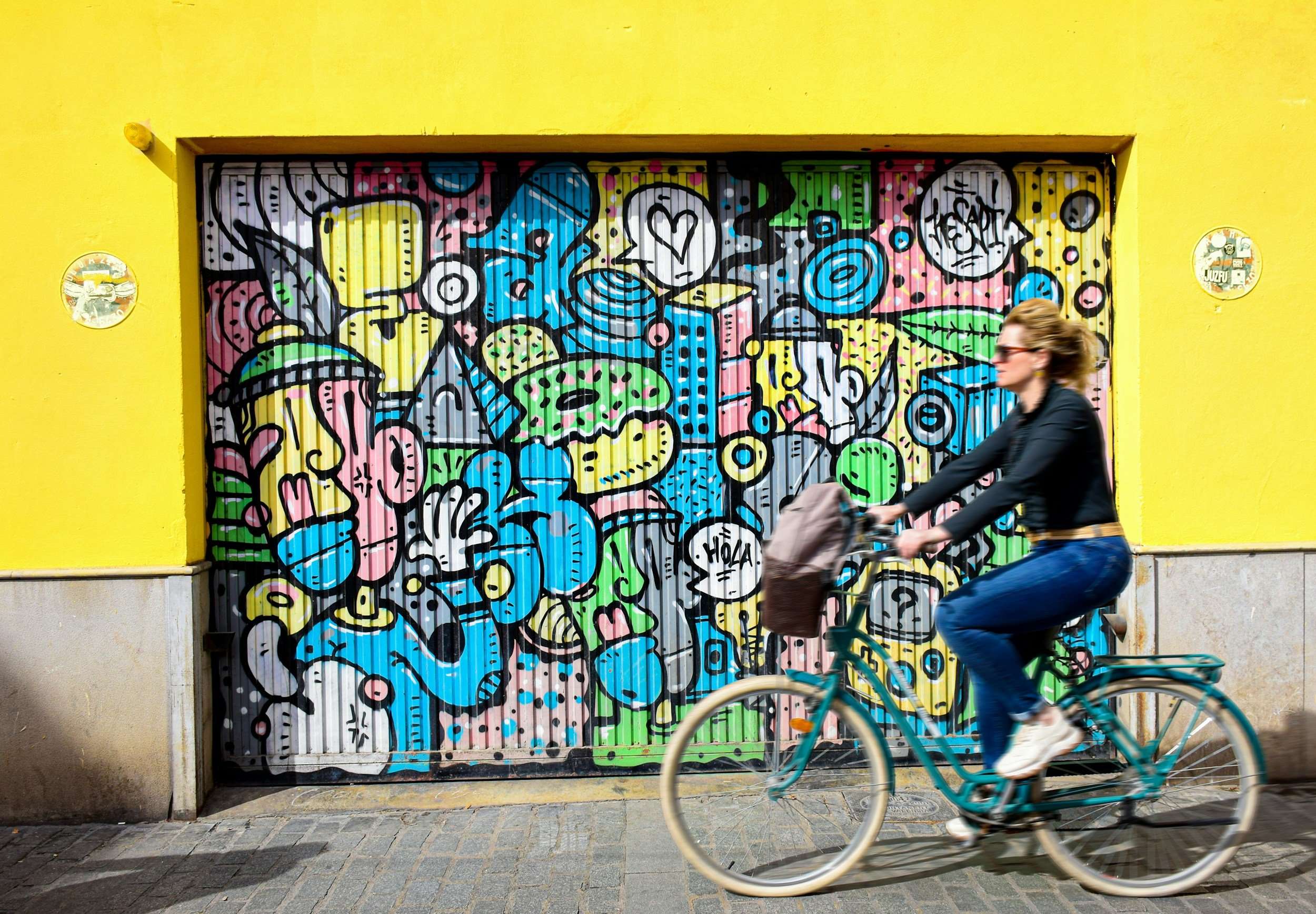
7. Go On The Lookout For Cool Valencia Street Art
Throughout the city, you can find some incredible street art, especially in the Ruzafa and El Carmen neighborhoods, which have some cool, colorful pieces well worth seeing. Some of the artists worth mentioning are Dridali and Hyuro, but if you want to learn more about the art, artists, and the meaning behind the artwork, make sure you join a guided street art walking tour or cycling tour.
This is a great way to explore Valencia a bit off the beaten path.
Accessibility: There are amazing wheelchair-accessible street art tours like the one linked below.
8. Take A Bike Tour
One of the best ways to see Valencia, especially if you need a break from walking or you just visit for a day, is to join a bike tour of Valencia. There are plenty of different bike tours to choose from depending on what you want to see. The most common are tours of the old town and the City of Arts and Sciences, but some take you all the way to the beach, and yet others are themed like Street Art Tours.
If you choose a tour that takes you to the City of Arts and Sciences, you will cycle through the Turia Park, which is absolutely stunning and the largest (and longest) park in Valencia, and they usually stop by several attractions on the way, so they are not strenuous in any way and even suitable for teens.
Conclusion: Traveling To Valencia Alone
So, is Valencia worth visiting for solo travelers? With so much to do and see no matter what your preferences, Valencia has something to offer. It is a lively city with plenty of opportunities to connect with other travelers, and it is a safe place to retreat and spend time by yourself if that is what you need.
Frequently Asked Questions About Visiting Valencia as a Solo Traveler
Is Valencia a good destination for solo travel?
Yes. Valencia combines historic attractions, beaches, museums, parks, and excellent food in a city that is relatively easy to navigate independently. It is large enough to keep you entertained but more manageable than attempting to conquer Madrid or Barcelona armed only with enthusiasm and an increasingly unreliable phone battery.
Is Valencia safe for solo travelers?
Valencia generally feels comfortable for solo sightseeing, but visitors should still take normal city precautions. Watch for pickpockets around transportation hubs, markets, festivals and crowded attractions, and avoid poorly lit or deserted streets late at night.
Is Valencia safe for solo female travelers?
Many women visit Valencia alone without difficulty. Keep control of your drinks, use licensed taxis or reputable transportation services at night, and tell someone where you are going when meeting a new person. Trust your instincts even if ignoring them would seem more polite.
Is it safe to walk alone in Valencia at night?
Busy central areas such as Ciutat Vella and Russafa generally remain active in the evening. Stick to populated streets, avoid isolated sections of parks and beaches after dark, and arrange transportation back to your hotel if you feel uncomfortable or fatigued.
How many days do you need in Valencia?
Three days provide enough time to explore the historic center, City of Arts and Sciences, Turia Garden, and beach. Allow four or five days if you want to visit Albufera Natural Park, take a waterfall excursion, or maintain a slower pace.
Can you see Valencia in one day?
You can see several highlights in one day, but you will need to choose between the historic center, City of Arts and Sciences, and the beach rather than fully exploring all three. Valencia deserves more than a frantic photo sprint if your schedule allows it.
Where should solo travelers stay in Valencia?
Ciutat Vella is convenient for first-time visitors who want to stay near historic attractions. Russafa offers cafés, nightlife and street art, while Cabanyal is better for beach access. Travelers with limited stamina should choose the neighborhood closest to their highest-priority attractions.
Is Valencia easy to explore without a car?
Yes. The center is walkable, while buses, metro services, and trams connect it with the airport, beaches, and outer neighborhoods. A car is unnecessary unless you plan to explore rural areas or take independent day trips.
How do I get from Valencia Airport to the city center?
Metro lines 3 and 5 connect the airport with central Valencia in approximately 20 minutes, with services normally running every 15 to 20 minutes. Check the current Valencia airport transportation information before traveling, particularly if your flight arrives late.
Is public transportation in Valencia wheelchair accessible?
Many metro stations and city buses provide accessibility features, but access can vary by station, elevator, and vehicle. Check your complete route before leaving and allow extra time for equipment outages. Visit Valencia maintains an accessibility guide covering adapted transportation, hotels, restaurants, and attractions.
Is Valencia a walkable city?
The historic center is compact, but distances increase when you add the City of Arts and Sciences or the beach. Turia Garden creates an attractive route through the city, although an attractive route remains a long route, and your joints are under no obligation to be impressed by the landscaping.
What is the best time of year to visit Valencia alone?
Spring and fall usually provide the best balance of pleasant temperatures and manageable crowds. Summer is ideal for beaches but can be extremely hot, while winter offers cooler sightseeing weather and generally lower demand.
Is Valencia too hot during summer?
July and August can be hot, humid, and tiring, particularly for travelers with heat intolerance or chronic illness. Plan outdoor sightseeing in the morning, rest during the hottest part of the afternoon, and resume exploring in the evening like a sensible local rather than a slowly roasting tourist.
Is Las Fallas a good time for solo travelers to visit?
The March festival is spectacular, with enormous sculptures, fireworks, parades and neighborhood celebrations. It is also noisy, crowded and highly stimulating. Reserve accommodations early and bring hearing protection if fireworks, crowds or sudden explosions are unfriendly to your nervous system.
What are the best things to do alone in Valencia?
Excellent solo activities include visiting Valencia Cathedral, exploring La Lonja de la Seda, walking through Turia Garden, touring the City of Arts and Sciences and searching for street art in El Carmen or Russafa. The beach and Central Market are also easy places to enjoy independently.
How can solo travelers meet people in Valencia?
Join a walking tour, food tour, street-art tour, or small-group excursion. Hostels, language exchanges and cooking classes also provide opportunities to meet people without requiring you to approach strangers and announce that you are accepting applications for temporary friendship.
Is it awkward to eat alone in Valencia?
Not at all. Counter seating, cafés, markets and outdoor terraces make solo dining easy. Lunch is an especially good time to enjoy a full meal, while tapas allow you to sample several dishes without requiring a dining companion.
What food should I try in Valencia?
Try authentic Valencian paella, which traditionally includes ingredients such as chicken, rabbit and local beans rather than seafood. Other specialties include horchata with fartons, esgarraet, all i pebre and fresh products from Central Market.
Can I visit Valencia’s beaches alone?
Yes. Malvarrosa and Cabanyal are popular beaches with promenades, restaurants and public transportation connections. Keep valuables secure and avoid leaving your phone or wallet unattended while swimming.
Are Valencia’s beaches wheelchair accessible?
Malvarrosa, Cabanyal and Pinedo offer seasonal assisted-bathing programs and accessibility equipment for visitors with reduced mobility. Services, dates and equipment availability change each year, so review the current accessible beach information before your trip.
How much time should I spend at the City of Arts and Sciences?
Allow several hours to explore the exterior architecture and visit one attraction. A visit combining the Science Museum, Hemisfèric and Oceanogràfic can take most of a day, so resist buying a combination ticket unless you genuinely want to see everything included.
Is the City of Arts and Sciences wheelchair accessible?
The main buildings and outdoor complex provide step-free routes, elevators and accessible facilities. Individual exhibits and experiences may have separate access procedures, so check the attraction you intend to visit before purchasing tickets.
Is Valencia Cathedral wheelchair accessible?
The principal cathedral interior can be visited using an accessible route, although certain historic areas may remain restricted. Contact the cathedral before visiting if step-free access or a particular chapel is essential.
Can wheelchair users climb Valencia Cathedral’s bell tower?
No. The Miguelete bell tower requires climbing 207 steps and does not have an elevator. Wheelchair users and travelers who cannot manage stairs can still visit the cathedral and enjoy views of the tower from Plaza de la Reina.
Is La Lonja de la Seda wheelchair accessible?
La Lonja de la Seda has an adapted entrance using a lift on the side of the building. Assistance may be required to operate or access it, so ask staff upon arrival or contact the site beforehand. Historic accessibility occasionally involves locating a person who possesses the mysterious power to activate the lift.
Is Cueva del Turche suitable for solo travelers?
The waterfall is a popular excursion near Buñol, but solo visitors should check the weather, trail conditions, and return transportation before leaving. Bring water, suitable shoes, and a charged phone, and avoid more remote hiking routes after heavy rain.
Is Cueva del Turche wheelchair accessible?
The short route from the parking area toward the principal waterfall is relatively level but includes an unpaved surface. Reaching the site from Buñol’s train station involves a substantially longer journey, so wheelchair users may need an accessible taxi or private transportation. The extended waterfall trails include steep and slippery sections that are not wheelchair accessible.
Is Albufera Natural Park worth visiting alone?
Yes. Albufera offers wetlands, rice fields, traditional villages and sunset boat trips a short distance from Valencia. Public buses 24 and 25 connect the city with parts of the park, including El Palmar and El Perellonet; consult the current Albufera transportation information before departing.
Are Albufera boat tours wheelchair accessible?
Accessibility depends on the boat, dock, water level, and passenger’s ability to transfer. Ask the operator about step-free boarding, mobility-device storage, seating, and accessible toilets before booking. “Short boat ride” describes the duration, not the boarding process.
Is a Valencia bike tour safe for solo travelers?
A guided bike tour can be an enjoyable way to reach Turia Garden, the City of Arts and Sciences and the beach. Confirm the distance, traffic conditions, and type of bicycle before booking. Adaptive cycles or private tours may be available, but they should be arranged in advance.
Where can I find street art in Valencia?
El Carmen and Russafa are the best-known neighborhoods for murals and street art. Exploring with a guide can provide context about the artists while helping solo visitors navigate side streets without repeatedly consulting a map and pretending they meant to turn around.
Is Valencia expensive for solo travelers?
Valencia is often more affordable than Barcelona or Madrid, although beach hotels and festival dates can be expensive. Markets, neighborhood cafés, public parks and free outdoor attractions make it possible to control costs without surviving entirely on supermarket crackers.
Is the Valencia Tourist Card worth buying?
It may be worthwhile if you expect to use public transportation frequently and visit several included attractions. Compare the current price and benefits with your actual plans before purchasing; the Valencia Tourist Card should save money, not pressure you into an exhausting sightseeing marathon.
Do people speak English in Valencia?
English is commonly understood at hotels and major attractions, but it is less reliable in neighborhood businesses. Learning a few phrases in Spanish or Valencian is useful and appreciated. Downloading an offline translation app can also prevent your request for directions from becoming experimental theater.
How can I visit Valencia with a chronic illness?
Stay near your priority attractions, schedule no more than one major activity per half-day, and leave room for rest. Use buses, taxis or a tuk-tuk tour to reduce walking, and avoid long outdoor excursions during the hottest part of the day. A hotel break is intelligent pacing, not Valencia winning.
How should I verify an accessible Valencia hotel room?
Contact the hotel directly and ask about step-free entry, elevators, doorway width, bed height, bathroom layout, and shower design. Confirm that the accessible room itself—not merely an accessible public area—can be reserved for your dates, and request written confirmation of any feature essential to your stay.


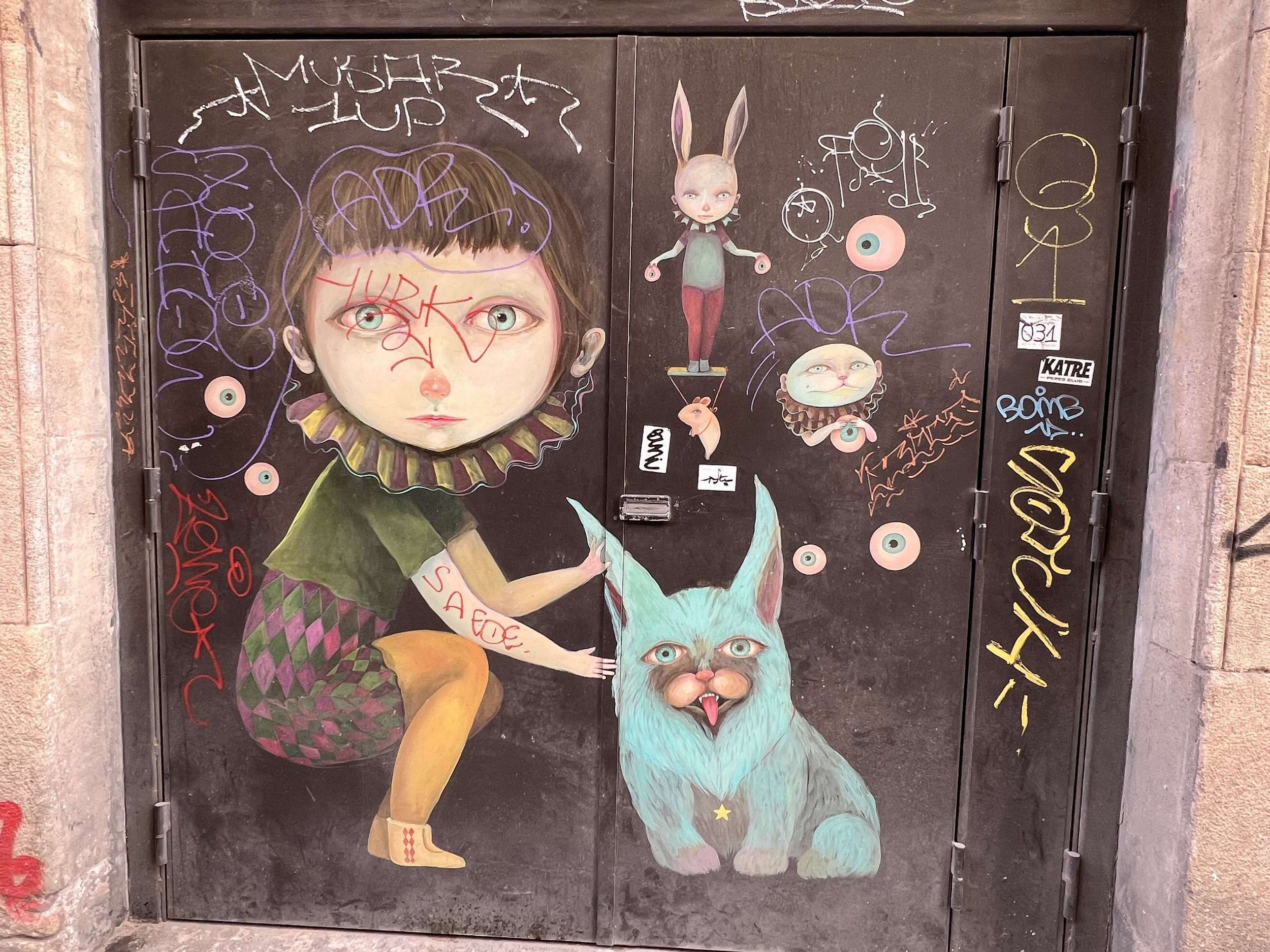

Jenn Lloyd is a disabled travel blogger and television writer based in Los Angeles. After a successful career writing for shows like KC Undercover and The Thundermans, she launched Sick Girl Travels to share her experiences navigating the world with Ehlers-Danlos Syndrome, POTS, and fibromyalgia. Having visited 40 U.S. states, 39 countries, and all 7 continents, Jenn offers inclusive travel guides with accessibility tips for those with mobility challenges. Her work has been featured on CNN, Huffington Post, and Consumer Reports. When not traveling, she enjoys fostering dogs, photographing street art, and spending time with her French bulldog, Miss Madelyn Pew.
Sign Up for Our Newsletter
Sign up with your email address to receive travel news and updates.