3 Days Barcelona Itinerary
Edited on

Casa Vicens
This post may contain affiliate links, which means I may receive a commission, at no extra cost to you, if you make a purchase through a link. This helps me keep the Sick Girl Travels blog running while providing you with high-quality product recommendations and great travel deals. Please see my full disclosure for further information. Thanks for your support!
The Perfect Barcelona Travel Itinerary
Are you looking for the perfect 3-day Barcelona itinerary? Look no further. This guide will give you the perfect way to spend 3 days in Barcelona while checking off all those must-see bucket list attractions like Sagrada Familia, Park Güell, Barceloneta Beach, and more.
I recently had the opportunity to travel to Barcelona and had an incredible time. I’d love to pass on my travel tips and perfect 3-day itinerary so that you too can enjoy the wonders of Barcelona, Spain. My first tip is to book as many of your tours as possible beforehand. I’m not one to plan ahead, but I was shocked to see how many of Barcelona’s tours and entrance tickets sold out days or weeks beforehand. A general rule is if it requires a ticket, purchase it before you get there.
I know, I know, I also love to go with the flow and not over-plan my trips, but doing so nearly made us miss getting into Sagrada Familia and made me outright miss getting into the Picasso Museum. And I didn’t even visit Barcelona in the busy season! Again, I cannot stress this enough: get your hotel and tickets sorted in advance or you may very well end up missing out.
Short on time? You can always see the best of Barcelona with this 2-day Barcelona itinerary.
Let’s get to the fun stuff!

Exterior of Sagrada Familia
3 Day Barcelona Itinerary
Day 1 – Antoni Gaudí
Sagrada Familia
Casa Batllò
La Pedrera (aka Casa Milà)
Casa Vicens
Day 2 – Explore The Neighborhoods
A Street Art Tour through Las Ramblas and The Gothic Quarter, Barcelona
Park Güell
Montjuic
Day 3 – Beach and amusement
La Barceloneta Beach
Tibidabo Amusement Park
Sagrat Cor

Interior of Sagrada Familia
Barcelona 3 Day Itinerary – Day 1
Our Barcelona, Spain 3-day itinerary begins with the works of Antoni Gaudí. Gaudí is one of the most iconic architects and designers to ever live. Gaudi’s work was heavily influenced by his passions in life: architecture, nature, and religion. On day one, we’re going to check out four of his masterpieces, including his most well-known work, the still-in-progress Sagrada Familia.

Sagrada Familia
Sagrada Familia
Kicking off our full day of Gaudí is a trip to Sagrada Familia, one of the most famous churches in Barcelona and perhaps the most iconic building in Spain.
Designed by renowned architect Antoni Gaudí, this monumental church is a masterpiece of modernist architecture. Construction of the Sagrada Familia began in 1882 and continues to this day, with an expected completion date in the next few years. (You think you have trouble with contractors!)

The basilica’s unique architectural style combines Gothic and Art Nouveau elements, featuring intricate facades adorned with symbolic sculptures. Its towering spires and elaborate interior showcase Gaudí’s distinctive vision, making Sagrada Familia a UNESCO World Heritage Site and a celebrated icon of Barcelona. The basilica is known for its detailed sculptures that reflect both religious symbolism and elements of nature.

Above the altar in Sagrada Familia
Accessibility: When using a wheelchair, you will find the entrance on the cathedral’s back side on the street called Carrer de la Marina. A staff member will help you get inside by opening the gate and leading you to the turnstiles. Once inside, everything is completely flat and smooth, and the wheelchair route is the same for people on foot.
Wheelchair users cannot go up to the towers. However, the towers are not part of the regular tour, so this was not an issue. Luckily, even from the ground floor, the church’s beauty is still extraordinary and very much worth a visit.
There are wheelchair-accessible bathrooms.
Address: C/ de Mallorca, 401, L’Eixample, 08013 Barcelona, Spain

Exterior of Casa Batllò
Casa Batllò
Casa Batllò showcases Gaudí’s unique style and innovative approach to modernism. With its whimsical facade, organic shapes, and intricate details, Casa Batllò stands as a testament to Gaudí’s creative vision and remains a popular tourist attraction, drawing visitors from around the world to marvel at its beauty and craftsmanship.
There are several tour options for the interior. I recommend getting a skip-the-line pass. Tour entries are timed. It takes about an hour to tour and culminates with a 360-degree film presentation on the ground floor. The film experience is incredible but may pose issues for those with motion sickness since it plays from floor to ceiling, completely encompassing you.

Interior of Casa Batllò
Accessibility: Casa Battló has an elevator that reaches the roof terrace, making the building accessible to wheelchair users. There are also wheelchair-accessible restrooms.
Guides are provided in 11 languages for people with visual impairments. It is permitted to touch the building, and a blind person can bring a companion free of charge. Sound amplification is provided for people with auditory impairments.
Address: Pg. de Gràcia, 43, L’Eixample, 08007 Barcelona, Spain

Casa Milà
Casa Milà
Casa Milà is an approximately 7-minute walk from Casa Batllò. Once again, tour access is done by timed entry ticket. I would book your ticket at least 90 minutes after your entry to Casa Batllò to give yourself time to explore and make the walk between locations.
Casa Milà, also known as La Pedrera, is a renowned modernist building in Barcelona, Catalonia, Spain. Designed by the architect Antoni Gaudí and constructed between 1906 and 1912, it is also a UNESCO World Heritage Site. The building is characterized by its undulating stone facade, wrought-iron balconies, and unique rooftop sculptures. Today, Casa Milà is a cultural center and museum open to the public, offering insight into Gaudí’s innovative architectural vision and the Modernisme movement in Barcelona.

Accessibility: People with disabilities can enter the building without queues through the main entrance on Passeig de Gràcia.
The visit to La Pedrera includes elevators and ramps that connect the various floors. It is partially accessible for people with reduced mobility and those in wheelchairs. The courtyards, the Apartment of La Pedrera, and the Gaudí space (located in the Attics) can be visited without any problems. The Roof Terrace is a space with many uneven levels, and although it is accessible thanks to an elevator and a platform at the exit, it does not allow wheelchair circulation. Despite this, the platform offers a general view of the roof terrace.
The building’s features and morphology make it advisable for blind or visually impaired people to visit with accompaniment.
When using the adapted elevators, wheelchair users are guided by La Pedrera’s visitor service staff.
A wheelchair loan service is available to facilitate the visit for people with reduced mobility. This service is subject to availability and can be reserved in advance at: accessibilitat@fcatalunyalapedrera.com
Address: Pg. de Gràcia, 92, L’Eixample, 08008 Barcelona, Spain

Casa Vicens
Casa Vicens is about an 8-minute taxi ride from Casa Milà. The walk takes about 30 minutes, so I recommend conserving your energy and taking a cab. Taking the bus is also a viable option.
Casa Vicens is architect Antoni Gaudí’s first home built in Barcelona. Constructed between 1883 and 1888, it is considered one of the first buildings of Art Nouveau and modernism. The house features decorative tiles, intricate ironwork, colorful embellishments, and a stunning garden typical of Gaudí’s style. Today, Casa Vicens is open to the public as a museum, allowing visitors to explore its unique architecture and design elements.

Ceiling At Casa Vicens
Accessibility: The main entrance is not accessible for wheelchair users because it has steps. However, around the entrance, you find staff who help you get into the building via a step-free doorway. Besides the ground floor to the ticket office, Casa Vicens is 100% wheelchair accessible. Once inside, you find a brand-new, widened elevator that stops on every level, including the rooftop.
All the floors are flat and smooth. There are no steps from one room to the other. And all the rooms are connected, without corridors.
In the basement, you find a giftshop-bookstore, and you can have a break in the café on the main floor. After you have soaked up the beauty of Casa Vicens, there are a lot of other buildings designed by Gaudí to explore.
There are also wheelchair-accessible restrooms.
Address: Carrer de les Carolines, 20-26, Gràcia, 08012 Barcelona, Spain

3 Days Barcelona Itinerary – Day 2
Our Barcelona in 3 days itinerary continues with some neighborhood exploration and stunning views. And yes, a little more Gaudí. Because you can never have too much Gaudí.

The World Begins With Every Kiss
A Street Art Tour
A Barcelona street art tour is a great way to not only see some of Barcelona’s incredible murals, but it’s also a fantastic way to explore Las Ramblas and the Gothic Quarter while learning about Barcelona’s history and politics. I highly recommend the following wheelchair-accessible Barcelona Street Art Tour. Guides are also local artists and know a ton about art and history.
You’ll wind your way through the narrow alleyways of the Gothic Quarter while taking in some amazing murals, stencils, and graffiti in the city center. It’s a great opportunity to snap some unique Instagram photos and possibly take home some urban art from a local gallery.

Street Art In Barcelona
I wrote a whole post about Barcelona’s street art, so if you’d like to learn more and see some of the incredible art you’ll come across, be sure to check out the link.
Accessibility: The Barcelona street art tour is wheelchair-accessible.

Park Güell
Park Güell
Located in Barcelona, Park Güell is a public park system composed of gardens and architectural elements designed by none other than architect Antoni Gaudí. Opened to the public in 1926, the park offers visitors a unique experience of Gaudí’s distinctive architectural style, characterized by colorful mosaics, organic shapes, and intricate details. One of the park’s main attractions is the long serpentine bench covered in colorful ceramic tiles, offering panoramic views of the city. It even has lumbar support!
Designated as a UNESCO World Heritage Site, Park Güell remains a significant landmark in Barcelona, attracting millions of visitors each year.
You’ll need to purchase a tour to gain access to Park Güell. But you’re free to explore the park further after your tour and enjoy your stay for as long as you’d like.

Accessibility: Most of the parts of Park Güell are accessible by wheelchair. Nevertheless, there are some areas that could be quite difficult to reach for people with disabilities. One example is walking downhill through the park, which can be challenging for disabled visitors. The tour does start at the top of the park, but it requires you to walk downhill.
Address: Ask to be dropped off at the main access gate, Gràcia, 08024 Barcelona, Spain. If you require mobility assistance, ask to be dropped off at: Carretera del Carmel

Montjuic Castle
Montjuic
Montjuïc is a prominent hill overlooking the Barcelona harbor. Its name, meaning “Jewish Mountain,” dates back to medieval times. Today, Montjuïc is famous for its cultural attractions, including museums, gardens, and sporting venues. Visitors can explore the Montjuïc Castle, built in the 17th century, which offers panoramic views of the city. The hill also hosted various events during the 1992 Summer Olympics. With its rich history and stunning vistas, Montjuïc remains a must-visit destination for travelers in Barcelona.
You can buy tickets in person to both the gondola and castle upon arrival. These are 2 of the few things in Barcelona that won’t sell out. However, expect a line at the gondola. It does move quickly, though.
Accessibility: The cable cars are fully accessible for people with reduced mobility. And if you are in need of assistance, the staff at the cable car station will help to make your trip up the hill as comfortable as possible.
Address: Ctra. de Montjuïc, 66, 08038 Barcelona

3 Day Itinerary For Barcelona – Day 3
Our itinerary for Barcelona in 3 days continues with some relaxing fun, including beaches, views, and amusements. This is a great day plan for those of you looking to do 3 days in Barcelona with family.

Barceloneta Beach
Barceloneta Beach is one of the most popular and bustling beaches in Barcelona, Spain. Located in the neighborhood of Barceloneta, this urban beach offers a vibrant atmosphere with a wide stretch of golden sand and clear waters of the Mediterranean Sea. Visitors can enjoy sunbathing, swimming, and various water sports while taking in the view of the city skyline. Additionally, the promenade along the beach is lined with restaurants, bars, and shops, making it a lively area both day and night. (I highly recommend Can Fisher if you love seafood.)
Whether you’re looking to soak up the sun or experience the local culture, Barceloneta Beach is a must-visit destination for travelers in Barcelona.
To get there, you can take Bus 45, 59, or D20, or take a taxi.
Accessibility: Barceloneta Beach offers personalized assisted bathing services. This includes volunteer assistance, a hoist, and additional available equipment, such as floating wheelchairs and water crutches.
There are designated parking spaces with access routes that lead to the dry sand, both visual and tactile signs and information points, handicapped restrooms, adapted showers with chairs, and wooden footbridges that reach the water.

Tibidabo Amusement Park
Located on Mount Tibidabo overlooking Barcelona, Tibidabo Amusement Park is one of the oldest amusement parks in the world. Established in 1901, it features a mix of vintage and modern rides, offering visitors panoramic views of the city below. With attractions catering to all ages, Tibidabo is a popular destination for both locals and tourists seeking a nostalgic and fun-filled day out. Don’t expect thrill rides here; this is more of an easy-going old-time amusement park.
You can purchase your tickets to Tibidabo Amusement Park here.
Accessibility: Tibidabo is fantastic when it comes to accessibility, offering a number of adaptive rides and attractions. You can learn more about accessibility at Tibidabo here. They also offer wheelchair-accessible restrooms.
Address: Carrer Calabria, 66, 08015, Barcelona


Sagrat Cor
The Sagrat Cor, also known as the Expiatory Church of the Sacred Heart of Jesus, is a prominent landmark located atop Mount Tibidabo in Barcelona, Spain. This stunning church is recognizable by its majestic neo-Gothic architecture and the iconic bronze statue of Jesus Christ with outstretched arms, visible from various points in the city. Visitors can marvel at panoramic views of Barcelona from the church grounds, providing a unique perspective of the city and its surroundings. On a clear day, one is supposed to be able to see north toward the Pyrenees and south out across the Mediterranean to Mallorca.
The temple, which includes the crypt and the church, has free entry. It’s open until 8 pm.
The best view of Barcelona can be witnessed from the top of the temple, which is its highest point. Visitors will be required to pay a small fee of EUR 3 to go up the lift.Accessibility: The lift to Sagrat Cor is wheelchair accessible; however, there are a number of stairs once you reach the church, so it may not be accessible for people with mobility issues. There’s also a ramp to the side of the church, but as you can see in the picture, the grade is quite steep and may pose problems for wheelchair users.
Address: Ctra. de Vallvidrera al Tibidabo, 111, Sarrià-Sant Gervasi, 08035 Barcelona, Spain

Barcelona Itinerary 4 Days – Bonus Add-On Day Trips
If you’re staying in Barcelona for more than 3 days, I have a few day trips to recommend. These are both a short drive from Barcelona and a lot of fun if you happen to have the extra time.

Andorra Day Trip
Visit the tiny country of Andorra! Just a 3-hour drive or bus trip, a Barcelona to Andorra day trip is a once-in-a-lifetime chance to see this tiny mountain country.
Andorra is a skiing and shopping paradise. But it’s worth it just to see the beautiful views of the Pyrenees and get your passport stamp if you’re an avid traveler like myself. It’s also worth it to enjoy the tax-free shopping and great deals on everything from perfume and electronics to booze and cigarettes. Personally, I like to collect a mug from every country I visit. That goal was achieved when I was able to snag an adorable Andorra mug adorned with a Pyrenean Mountain dog.
Accessibility: Unfortunately, all group tours from Barcelona to Andorra are NOT wheelchair accessible, so you will need to take the bus if you would like to see Andorra. The group tour was fine for me with my cane, however. You won’t have to worry about stairs on this trip, apart from boarding and leaving the charter bus. It’s a bummer to me that the thing that makes it inaccessible is the transportation.

Montserrat
Take a day tour of Montserrat, a multi-peaked mountain range near Barcelona, and enjoy the area’s natural beauty. Visit the monastery before boarding a funicular to reach sweeping views of Catalonia from the mountaintop.
Your first stop is the Benedictine Abbey. Explore this 11th-century religious sanctuary home to Catalonia’s patron saint: The Black Madonna.
Next, board the funicular railway and ascend to the top of the mountain. Enjoy stunning views of valleys, mountains, and the sea. Hike on the same paths used by pilgrims hundreds of years ago as you admire Montserrat’s fascinating flora and fauna. Wander past rocky pillars and ravines as you breathe in the mountain air.
Accessibility: This Barcelona to Montserrat group tour is wheelchair accessible.

Best Time To Visit Barcelona
The best time to visit Barcelona is during the spring months of April and May or the fall months of September and October. During these times, the weather is generally pleasant with mild temperatures, fewer crowds, and lower chances of rain. I visited in May and had an amazing time with temperatures around 70 degrees.
Summer is also a popular time to visit due to the vibrant atmosphere and numerous events, but it can be very hot and crowded.

Winter, especially January and February, tends to be the coldest and quietest time in Barcelona, making it ideal for those looking for a more relaxed experience.
Ultimately, the best time to visit Barcelona depends on personal preferences regarding weather, crowds, and activities.

How To Get To Barcelona
To get to Barcelona, you can fly directly to Barcelona-El Prat Airport (BCN), which is the main international airport serving the city. There are numerous airlines that offer flights to Barcelona from major cities around the world.
Alternatively, you can take a train to Barcelona Sants, the city’s main train station, which is well-connected to other parts of Spain and Europe.
Another option is to drive to Barcelona using the extensive network of highways that connect the city to the rest of Europe. Additionally, you can travel to Barcelona by bus, with several bus companies offering routes to the city from various locations.

Where To Stay In Barcelona
If you’re looking for a great hotel or hostel in Barcelona, check out my guide to where to stay in Barcelona for first-time visitors.

Getting Around Barcelona
Barcelona offers an efficient public transportation system, including buses, metros, and trams. The T-Casual card provides 10 journeys on different modes of transportation.
Most buses in Barcelona are outfitted to be accessible to wheelchair users. You will know which ones are accessible because they carry the international disabled access sign on the outside of the bus.
The only metro (underground) lines that currently have lifts at all stops are the (Purple Line, L2), (Orange Line, L9 Nord), (Orange Line, L9 Sud), (Light Blue Line, L10), (Light Blue Line, L10 Sud) and (Light Green Line, L11). The other metro lines do not have lifts yet at all stops, but extensive work is being undertaken on the metro to improve access for people with a disability.
Taxis are also readily available but are more expensive. Walking is a good option for short distances, as the city is pedestrian-friendly. Consider purchasing a Barcelona Card for unlimited travel and discounts on attractions.

Barcelona Three Day Itinerary Final Thoughts
I’ve looked at a lot of Barcelona itineraries and to me, this is the best Barcelona 3-day itinerary for seeing the most of the city. You’ll see the world of Gaudi, explore all the cool neighborhoods, enjoy some relaxing beach time, and take in the views from Barcelona’s iconic cable cars. Best of all, it’s all wheelchair accessible.
Have you been to Barcelona? What was your favorite part? Is there anything you think this itinerary is missing? I’d love to hear your thoughts in the comments below.
Frequently Asked Questions About Spending 3 Days in Barcelona
Is three days enough for Barcelona?
Three days is enough to experience several of Barcelona’s most famous buildings, neighborhoods, and viewpoints. You will not see everything, but you can enjoy an excellent introduction to the city if you book major attractions in advance and resist the urge to personally inspect every object Gaudí ever touched.
What are the must-see attractions during three days in Barcelona?
First-time visitors should prioritize the Sagrada Família, one or two Gaudí houses, Park Güell, the Gothic Quarter and either Montjuïc or Tibidabo. Barceloneta Beach is also worth including if you want time beside the Mediterranean. Choose attractions according to your interests and energy rather than treating this itinerary as a legally binding contract.
Is this three-day Barcelona itinerary realistic?
The itinerary is ambitious and should be treated as a menu of options. Visiting four Gaudí attractions on Day One requires carefully timed tickets, while traveling from Barceloneta Beach to Tibidabo on Day Three takes considerable time. Remove one stop from each day if you prefer slower sightseeing or regular rest breaks.
How can I make this Barcelona itinerary more manageable with a chronic illness?
Reserve no more than one major timed attraction per half-day and schedule your priority sight during your best energy period. Use taxis between attractions that are far apart, plan seated meals, and identify optional stops you can remove during a flare. Returning to the hotel for a nap is strategic travel planning, not a moral failure.
How much walking is involved in this Barcelona itinerary?
Expect considerable walking or rolling, particularly in the Gothic Quarter, Park Güell, Montjuïc and Tibidabo. Even attractions with elevators may involve long interior routes, waiting areas and standing. Public transportation and taxis can reduce the distance between stops, but they cannot eliminate movement inside the attractions themselves.
Is this three-day Barcelona itinerary wheelchair accessible?
Many stops provide step-free entrances, elevators and accessible restrooms, but the complete itinerary is not entirely barrier-free. Hills, cobblestones, steep park paths, historic architecture and partially accessible viewpoints can create difficulties. Verify the exact entrance and route for every attraction shortly before visiting.
What is the most accessible way to get around Barcelona?
TMB buses have wheelchair ramps, while most—but not all—metro stations have elevators. TMB currently reports lifts at 156 of 165 metro stations, and elevator outages can affect an otherwise accessible journey. Check the TMB accessibility information and real-time lift status before traveling.
Which neighborhood is best for a three-day stay in Barcelona?
Eixample is a convenient base for the Sagrada Família, Casa Batlló, Casa Milà and several metro lines. Its broad streets are generally easier to navigate than the narrow lanes of the Gothic Quarter. Before booking an accessible room, contact the hotel to confirm the entrance, elevator, bathroom layout and bed height.
Do I need a car in Barcelona?
No. Public transportation, taxis and walking are usually more convenient than driving because parking is limited and many attractions are located in busy central neighborhoods. An accessible taxi can also simplify journeys to hilly destinations such as Park Güell and Tibidabo.
Which Barcelona attractions should I book in advance?
Book the Sagrada Família, Park Güell, Casa Batlló, Casa Milà and Casa Vicens before your trip. Tibidabo and popular guided tours may also sell out during holidays and peak summer periods. Leave generous gaps between timed entries so one delayed visit does not transform the rest of the day into competitive speed tourism.
How far in advance should I book Sagrada Família tickets?
Book as soon as your travel dates and preferred time become available, especially for weekends and summer visits. Morning and late-afternoon time slots frequently sell out. Purchase through the official Sagrada Família website or confirm exactly what a third-party tour includes.
How much time should I allow for the Sagrada Família?
Allow approximately 60 to 90 minutes for the basilica and museum. A guided tour or tower visit may require additional time. Avoid scheduling your next timed attraction immediately afterward because security, crowds, and the powerful human need to photograph the ceiling can slow your departure.
Is the Sagrada Família wheelchair accessible?
The basilica and museum are accessible to visitors with reduced mobility, but the towers are not. Visitors requiring priority access should use entrance B on Carrer de la Marina and bring official disability documentation. The basilica also has wheelchairs, subject to availability; review its current accessibility FAQs before visiting.
Can wheelchair users visit the Sagrada Família towers?
No. Visitors ride an elevator up but must descend the towers using stairs, so tower tickets are not available to people with reduced mobility. Fortunately, the basilica’s extraordinary interior can be appreciated fully without climbing a single tower.
Do disabled visitors receive free admission to the Sagrada Família?
The Sagrada Família currently provides free general basilica admission to disabled visitors and one companion, although additional services may cost extra. Documentation is required, and the booking process may differ by ticket type. Confirm the latest policy on the basilica’s official pricing page.
Can I visit all four Gaudí attractions in one day?
It is possible, but visiting the Sagrada Família, Casa Batlló, Casa Milà and Casa Vicens in one day creates a packed schedule. Select two or three if you want time to appreciate the buildings instead of sprinting between timed entrances. Gaudí already spent decades on his work; you are allowed more than 45 minutes.
Should I visit Casa Batlló or Casa Milà?
Choose Casa Batlló for colorful interiors, immersive exhibits, and a more theatrical experience. Choose Casa Milà for its apartment, attic museum, and famous sculptural rooftop. Both are worthwhile, but selecting one may make Day One significantly more comfortable.
Is Casa Batlló wheelchair accessible?
Casa Batlló states that wheelchair users can visit the house, its newer exhibition rooms and the roof terrace. Elevators and accessible facilities are available, but the historic building can become crowded. The attraction recommends visiting outside its busiest hours; check the current Casa Batlló accessibility FAQs before booking.
Is Casa Milà wheelchair accessible?
Most public areas of Casa Milà are wheelchair accessible, including the courtyards, apartment, and Gaudí exhibition. The rooftop and mezzanine contain constant changes in level and are not suitable for wheelchair circulation, although an elevator platform provides a general rooftop view. Wheelchairs can be reserved in advance through the attraction’s official visitor information.
Do you need a guided tour to enter Park Güell?
No. You need a timed admission ticket for the regulated monumental area, but a guided tour is optional. Buy an individual ticket in advance through the official Park Güell website because capacity is limited.
Is Park Güell wheelchair accessible?
Park Güell has adapted routes, but steep ramps, steps, and uneven paths prevent the entire park from being accessible. Visitors with reduced mobility are advised to arrive through the Carretera del Carmel entrance and follow one of the recommended routes. The park provides current route information on its accessibility page.
Is the Gothic Quarter wheelchair accessible?
The Gothic Quarter contains a mixture of smooth plazas, narrow streets, cobblestones, curbs, and occasional steps. A wheelchair-accessible walking or street-art tour can identify a more manageable route, but the complete neighborhood is not barrier-free. Rain and crowds may make the surfaces more difficult.
Is Las Ramblas worth visiting?
Las Ramblas is worth seeing once for its atmosphere, historic buildings and access to nearby neighborhoods. It is also crowded, commercial, and known for pickpocketing, so keep valuables secure and remain aware of your surroundings. The Gothic Quarter and surrounding side streets are often more interesting than the boulevard itself.
Is the Montjuïc cable car wheelchair accessible?
Yes. The Montjuïc cable car states that its entire facility is adapted for visitors with reduced mobility. Confirm the operating schedule and weather conditions on the official cable-car website before traveling.
How much time should I spend at Montjuïc?
Allow at least half a day if you plan to ride the cable car, tour Montjuïc Castle, and visit gardens or museums. If you only want the cable car and castle views, two or three hours may be enough. Montjuïc contains far more attractions than its innocent description as “a hill” would suggest.
Is Barceloneta Beach wheelchair accessible?
Barceloneta has accessible routes, adapted toilets, showers and wooden walkways, although services vary by season and location. Assisted bathing programs and amphibious chairs may operate during designated periods rather than throughout the year. Confirm current dates, hours and reservation requirements with Barcelona’s municipal beach service.
Can I visit Barceloneta Beach and Tibidabo on the same day?
Yes, but the beach and Tibidabo are on opposite sides of the city. Allow substantial travel time and avoid reserving a rigid Tibidabo arrival immediately after your beach visit. Travelers with limited energy may prefer the beach with nearby waterfront attractions and move Tibidabo to another day.
Is Tibidabo Amusement Park wheelchair accessible?
Tibidabo provides adapted routes, restrooms, and several wheelchair-accessible attractions, including an adapted Ferris-wheel gondola. Other rides have accessible entrances but require passengers to transfer into the ride vehicle. Review the park’s detailed accessibility information before purchasing tickets.
Is Tibidabo suitable for adults without children?
Yes. Tibidabo offers vintage rides, historic atmosphere, and some of the best views over Barcelona. It is more charming and nostalgic than thrill-focused, making it suitable for adults who enjoy architecture, photography, or amusement parks with significantly less screaming.
Is Sagrat Cor wheelchair accessible?
Accessibility at the Temple of the Sacred Heart is limited. Some areas can be reached by elevator or ramp, but steep grades and stairs restrict access to portions of the church and its highest viewpoints. Ask staff about the most appropriate entrance and accessible areas when you arrive.
What is the best time of year to spend three days in Barcelona?
April, May, September, and October typically offer pleasant sightseeing temperatures. Summer is hot, crowded, and more expensive, while winter is quieter but may bring shorter hours or seasonal attraction schedules. Travelers with heat intolerance may find spring or autumn considerably easier.
Is Barcelona safe for tourists?
Barcelona is generally manageable for visitors, but pickpocketing is common in crowded areas, on public transportation, and around major attractions. Keep phones and wallets secure, avoid hanging bags on chairs, and remain cautious when someone creates an unexpected distraction. Your valuables do not need their own spontaneous Barcelona adventure.
Is the Barcelona Card worth buying for three days?
The Barcelona Card may provide value if you plan to use public transportation frequently and visit several participating museums. It does not automatically include every major attraction, so compare its current benefits with your itinerary before purchasing. A pass saves nothing if it inspires you to visit six museums you never wanted to see.
Can I visit Barcelona on a budget?
Yes, although admission to several Gaudí buildings can become expensive. Balance paid attractions with free experiences such as exploring the Gothic Quarter, walking along the waterfront, visiting Barceloneta Beach, and viewing famous buildings from outside. Choose your two most important ticketed attractions instead of purchasing every available tour.
Should I take a day trip during a three-day visit to Barcelona?
Probably not on a first visit. Barcelona contains enough architecture, neighborhoods, beaches and museums to fill all three days comfortably. Save Montserrat, Girona, Sitges and Andorra for a longer trip unless one of them is a personal priority.
What should I pack for three days in Barcelona?
Bring comfortable footwear, sun protection, a refillable water bottle, medication, and layers appropriate for the season. Download attraction tickets and transportation information before leaving your hotel. A portable charger is particularly useful because Barcelona’s ticketing systems have enthusiastically embraced the assumption that every phone remains alive forever.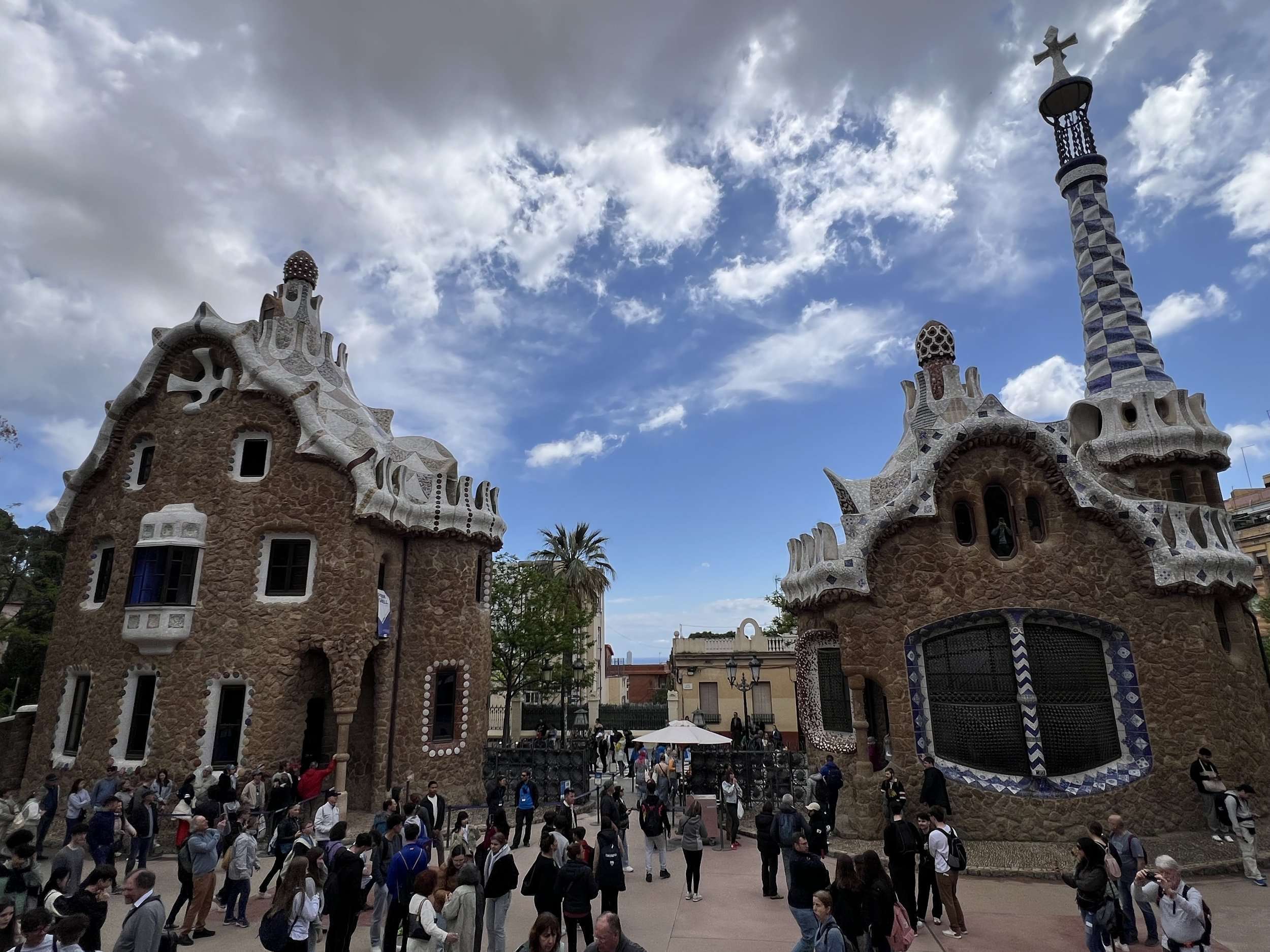



Jenn Lloyd is a disabled travel blogger and television writer based in Los Angeles. After a successful career writing for shows like KC Undercover and The Thundermans, she launched Sick Girl Travels to share her experiences navigating the world with Ehlers-Danlos Syndrome, POTS, and fibromyalgia. Having visited 40 U.S. states, 39 countries, and all 7 continents, Jenn offers inclusive travel guides with accessibility tips for those with mobility challenges. Her work has been featured on CNN, Huffington Post, and Consumer Reports. When not traveling, she enjoys fostering dogs, photographing street art, and spending time with her French bulldog, Miss Madelyn Pew.
Sign Up for Our Newsletter
Sign up with your email address to receive travel news and updates.